This article records Alchemist Films’ research for a two-part documentary TV series about China’s One Belt One Road initiative, covering the land Silk Road and the Maritime Silk Road for a European audience. It follows the research question, historical background, candidate stories and access process described in the original account.
The places, trade routes and national infrastructure discussed here are research subjects. They are not presented as projects delivered by Alchemist Films, and this article does not establish that the documentary series was completed or released. For our portfolio, visit Alchemist Films’ documentary work.
Updated 6 November 2026
Research question and scope
The research asked which Chinese stories could make the land and maritime Silk Roads understandable and engaging for a Western audience. The scope connected historical trade and cultural exchange with the modern transport, places and crafts discussed in the original notes.
The Silk Road was a network of ancient trade routes connecting China with the Mediterranean. Named after the trade in silk, it also carried goods, ideas and technologies between China, India, Persia, Arabia, Rome and Byzantium. The Maritime Silk Road linked China with Southeast Asia, South Asia, the Middle East and East Africa, carrying silk, tea, spices and porcelain as well as ideas, cultures and religions.
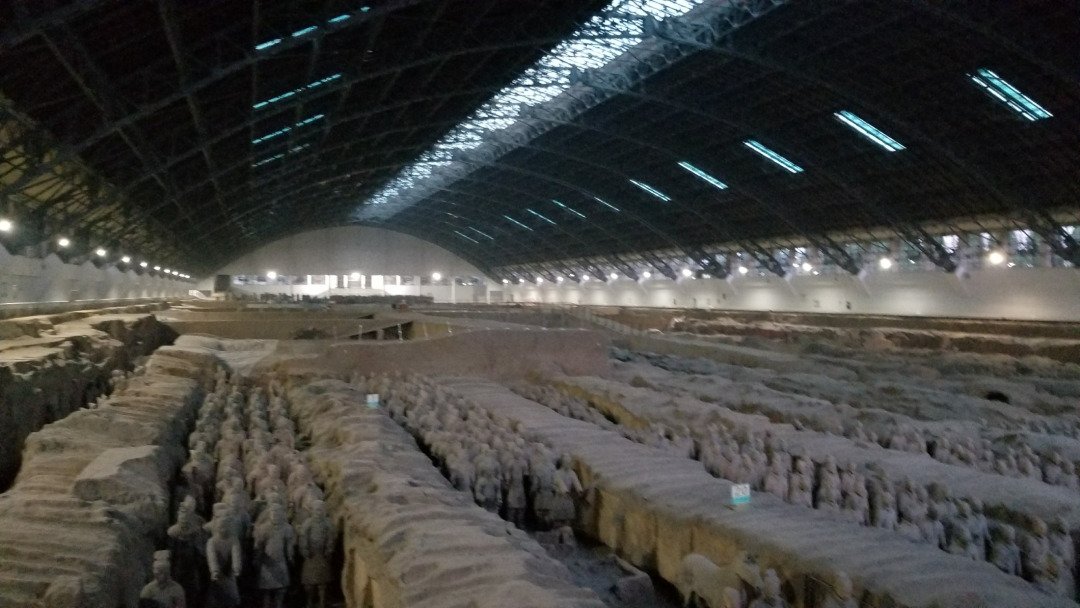
Xi’an provided the land-route research strand. Quanzhou, tea and Dehua porcelain provided the maritime strand. These were subjects to investigate and develop into documentary stories; the account does not identify each location as a completed filming stop.
The historical timeline used in the research
The original account moves between ancient trade, later exports and modern freight. Keeping those periods separate helps a production avoid using one period’s context to explain another:
- Ancient overland routes: Xi’an, imperial transport networks and the exchange of goods and ideas.
- Han dynasty, 206 BCE–220 CE: the period identified in the original notes for the establishment of the Maritime Silk Road.
- Tang and Song dynasties: Quanzhou’s development as a port and trading centre.
- Ming dynasty onwards: Dehua porcelain production and export, followed by its popularity in Europe during the 17th and 18th centuries.
- 2021 freight figures: the dated Changan train statistics used in the modern Xi’an research strand.
This is the chronology covered by the research material, not a production or release schedule for the documentary.
How the research approached access
The original account describes the series as backed by China’s Central Television Channel, with Chinese government support. It contrasts the team’s usual approach of gathering information online, finding contacts and applying as a private company with this project’s use of a faxed collaboration letter to the local city news office. The team asked the news office to help bring relevant parties into contact with the production.
The account identified opportunities and constraints associated with that particular approach:
- Access: the notes described support for permits and entry to government-run facilities, listing panda reserves, Tibet, Xinjiang, ports, airports and train stations among the examples.
- Equipment and crew: the notes described bringing filming equipment through customs and travelling with a larger crew using the appropriate journalist visas.
- Editorial scope: government backing limited filming to approved topics.
- Cost and preparation: obtaining backing and applying for journalist visas could be expensive, and the documentation and approval process required substantial pre-production time.
Those observations describe the research account’s circumstances. A new production still needs its own access, equipment and travel arrangements. Our guide to planning a documentary shoot in China sets out the preparation questions to bring to that discussion.
Land-route example: Xi’an and the Changan freight trains
The Xi’an notes explored the city as a historical starting point for the overland Silk Road. They connected the Qin Dynasty (221–206 BCE), Qin Shi Huang’s roads and canals, and the Silk Road with transport and exchange between China and the West. The account also discussed state control of silk and coins, standardized weights and measures, a common script and the Great Wall in relation to trade and communication.
For the modern strand, the research described China-Europe freight trains running from several Chinese locations to Europe and Russia. It highlighted the Changan trains, named after the former Tang Dynasty capital. Xi’an, formerly Changan, supplied the historical connection between a trading centre and the modern rail story.
The dated freight figures in the original notes
For 2021, the account recorded 3,841 Changan trains carrying 2.873 million tons of goods. Export examples included machinery and equipment parts, electronic equipment, clothing and shoes, household appliances, daily necessities and automobile parts. Import examples included automobile parts, motors, electrical equipment and parts, machinery and equipment parts, industrial raw materials, plastic products and daily commodities.
The original notes also reported a cumulative total above 11,415 trains and a network of 16 routes, describing the service as an efficient, low-cost trade channel connecting Shaanxi with the Belt and Road initiative. These figures belong to that research account; they are not presented as a current network update.
For a documentary, this strand offers a way to connect an expansive trade topic with a particular place, route and set of goods. Research relevance alone does not establish permission to film a freight facility or access to its staff.
Maritime example: Quanzhou, tea and Dehua porcelain
The maritime strand focused on Quanzhou in Fujian Province. During the Tang and Song dynasties, the city served as a port linking China with Southeast Asia, India and the Middle East. The original account described trade in silk, porcelain and tea in exchange for spices, textiles and other goods, and identified the city’s buildings, artefacts and craft production as research leads.
Tea as a research strand
The tea notes discussed the British East India Company’s trade with China during the 17th and 18th centuries, Chinese taxation and regulation, and the company’s exploration of tea cultivation in Darjeeling, India. The original account connected those developments with the growth of India’s tea industry.
The notes also made a then-current claim that Fujian teas, including Tieguanying and Iron goddess, were no longer exported to Europe because Indian tea was cheaper and easier to source, while those Fujian teas remained sought-after in China. That claim is retained here as part of the original research account, not as a present-day assessment of the tea market.
Dehua porcelain as a research strand
The account described Dehua porcelain as white porcelain with a translucent colour, delicate texture and smooth finish, produced in Fujian from the Ming dynasty onwards. Its export examples included bowls, plates, vases, figurines and religious items sent to Japan, Southeast Asia and Europe.
In Europe during the 17th and 18th centuries, Dehua porcelain became known as “Blanc de Chine” or “White from China”. The notes described its appeal to collectors and aristocrats and its use in sculptures, vases and decorative objects. They also identified continuing production in Fujian, cultural heritage and exports as subjects for the research.
These craft and trade strands help narrow a broad maritime history into material that can be researched through places, objects and people. Choosing which strands to film requires contributor conversations, access and a clear relationship to the documentary’s central question.
What the research means for production planning
A broad topic becomes a production plan when the team identifies the question each location or contributor will help answer. Keep the background research, proposed scenes, confirmed access and cleared archive material distinct. Check the dates attached to statistics and historical references before using them in narration, interview questions or graphics.
The access process described here also shows why the research schedule and the shoot schedule need to be developed together. Introductions, approvals, crew travel and equipment arrangements can affect which stories are practical to film. The production coordination page describes that area of local support, and About Alchemist Films introduces the company.
For a research-led documentary or corporate project, send us the subject, intended audience, proposed locations and schedule. Explain which story leads and contacts are established and which parts still need research.