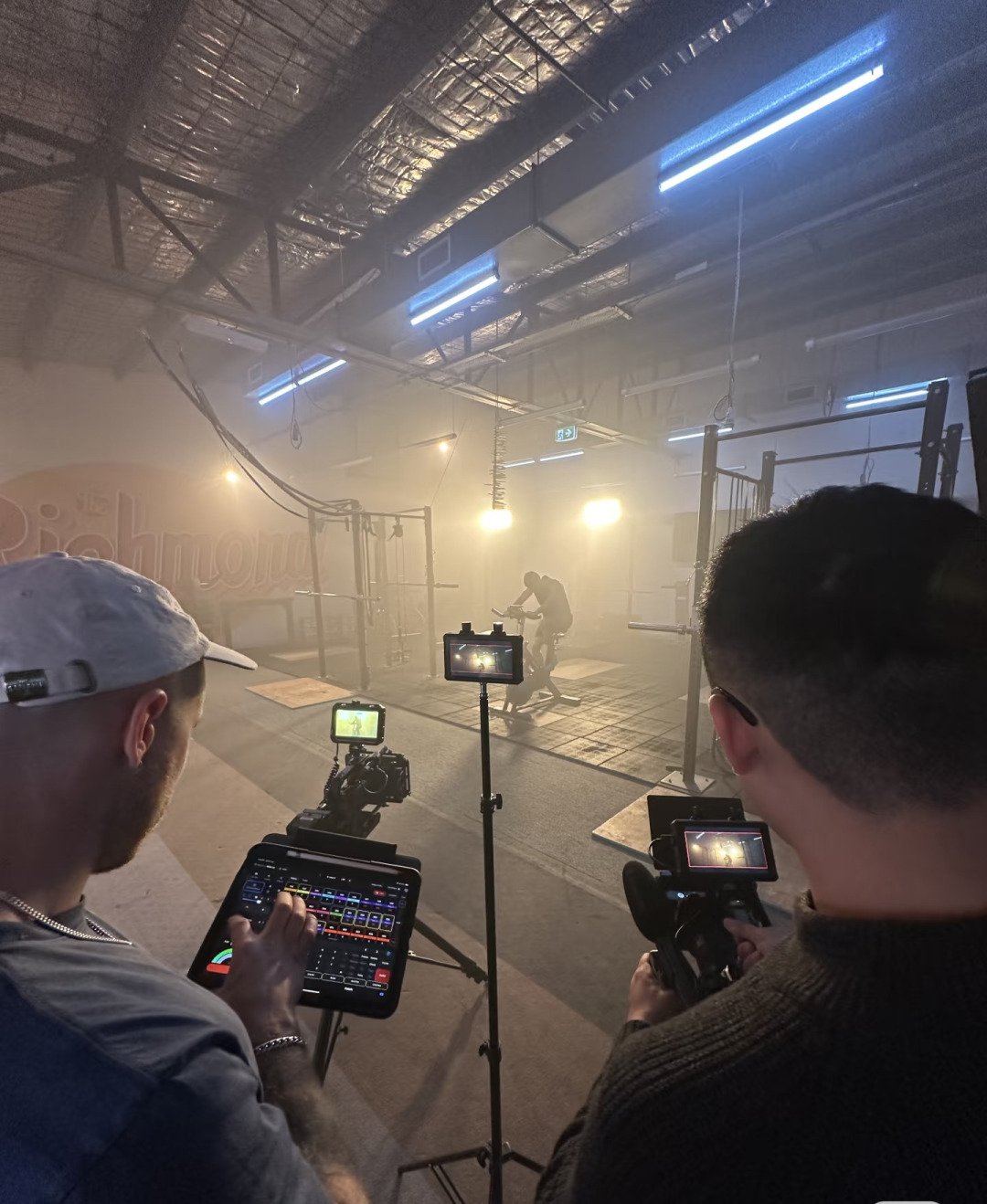
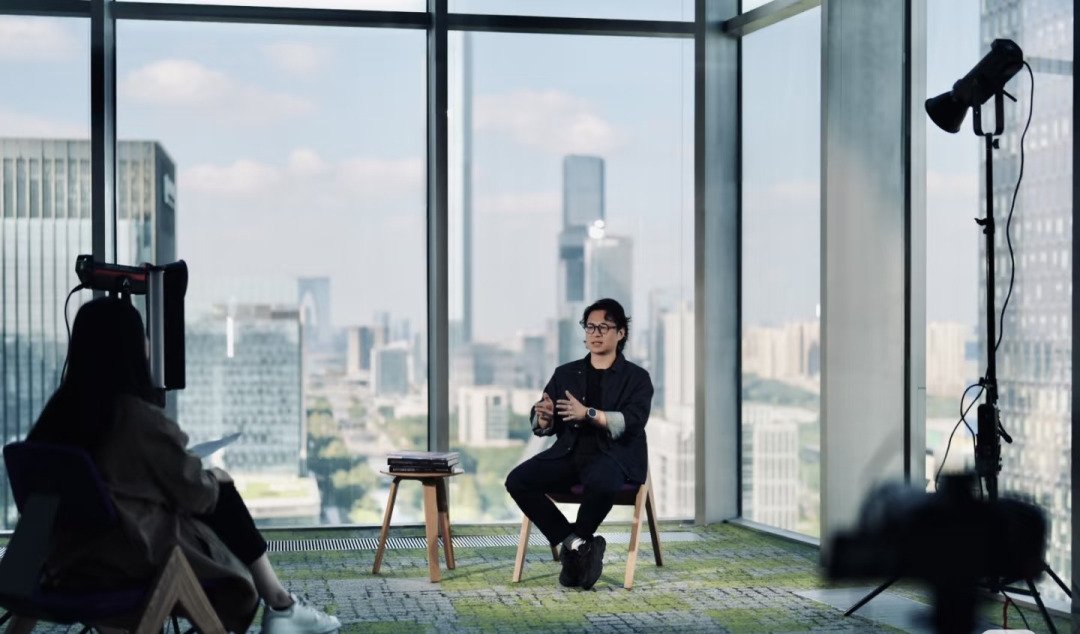
How to Organise Filming & Film Production in China: A Complete Guide to Filming in China
Shooting, production, filming… whatever you want to call it, filming in China is something that thousands and thousands of us do every single year for clients and projects all over the world.
From commercials and ads to movies and documentaries, filming in China offers a unique and visually stunning opportunity for filmmakers.
Whilst the country is ideal for shooting, it’s not without its challenges and processes, and truth be told, navigating the legal, cultural, and logistical aspects of film production in China requires thorough preparation and an experienced team to be done seamlessly.
Why Film in China?
China is home to breathtaking landscapes, historical sites, bustling cities, and a rapidly growing film industry. With a mix of ancient architecture and futuristic urban skylines, it provides an incredible backdrop for any production.
The country has world-class film studios, skilled crew members, and advanced post-production facilities. There’s a lot to love, and for many projects, it’s an absolute must.
Whilst filming in China is both incredible and accessible, for those looking to visit and work in China from overseas, things are a little more complex. There are unique political nuances to follow alongside the laws regarding visas, permits, and permissions that all need to come together for you to be successful in starting but also finishing your film production. If your shoot includes South China locations, working with a video production fixer in Guangzhou can speed up local coordination.
Pre-Production: Preparing for Filming in China
A huge part of filming in China and the process behind it is to actually prepare for the shooting. It’s not a case of turning up, getting work done and leaving, but rather a systemized process, ticking a lot of boxes and ensuring your work will be uninterrupted and above board. For complex multi-step shoots, video production coordination in China helps keep planning, permits, and scheduling aligned.
1. Secure the Right Permissions and Licenses
Foreign film productions require official approval from the Chinese government. The process involves:
- Applying for a Film Permit: All foreign productions must be approved by the National Radio and Television Administration (NRTA) or relevant local authorities.
- Partnering with a Chinese Production Company: Foreign filmmakers must collaborate with a licensed Chinese entity that will act as the official applicant for permits and assist in securing approvals.
- Submitting Your Script for Approval: The script must be reviewed by authorities to ensure it aligns with local guidelines and will not cause offense.
- Location-Specific Permits: If you plan to film in sensitive or restricted areas (e.g., government buildings, military sites, or heritage locations), additional permits may be required.
2. Obtain the Necessary Visas
Crew members must have the appropriate visas for working in China:
- J-2 Visa (Journalism Visa): Required for documentary filmmakers and journalists.
- M Visa (Business Visa): Commonly used for commercial shoots and corporate video production.
- Z Visa (Work Visa): Required for long-term film projects where foreign staff are employed in China.
Applying for the correct visa type is crucial, as filming on a tourist visa (L Visa) can result in legal issues and deportation.
3. Hire Local Fixers and Production Support
Hiring a local production fixer in China is usually one of the most effective methods for getting all of these boxes ticked. Local services like Alchemist Films exist for that exact reason, bringing local and legal knowledge as well as years of experience shooting in China with high budget brands to create incredible work.
A local filming production fixer or production company can assist with the entire process of filming in China, including:
- Navigating the permit application process
- Arranging equipment rentals and transportation
- Arranging a cast and crew
- Securing filming locations and permissions
- Providing translation services and liaising with government officials
4. Understand Cultural and Legal Considerations
The last thing to consider when arranging your shoot in China is that you need to give due care and consideration to what is and is not allowed to be filmed in China under legal censorship.
China has strict censorship laws, and certain topics such as politics, religion, and military affairs can be sensitive. Avoid controversial content and ensure compliance with local regulations to prevent any issues with authorities.
Filming in China: On-the-Ground Considerations
After all of the prep work has been done and dusted, the next stage of your filming in China is the actual shoot itself.
1. Comply with Local Laws and Regulations
- Stick to approved filming locations and scripts.
- Avoid filming government or military sites without explicit permission.
- Respect cultural and religious sites by following local customs.
- Be mindful of privacy laws when filming in public areas.
2. Hire Local Crew and Translators
Many local professionals have extensive experience working with international film projects in China, and more specifically, with international clients.
Translators or bilingual fixers can help bridge communication gaps with local authorities, crew, and the public and are very often a serious asset to have throughout the entire process.
3. Obtain Equipment and Manage Logistics
Renting equipment in China can be more convenient than shipping your own, as importing film gear may require additional permits and take a lot more time than you may want to spend working on. You can simplify this with trusted film equipment rental in China through local partners.
China has several major film production hubs, such as Beijing, Shanghai, and Guangzhou, where you can access high-quality production resources. These can all be rented and moved to your location as necessary, again, especially so with a production fixer.
Something that is often overlooked that we’d seriously recommend is to arrange transportation and accommodations for the crew in advance, as some areas may have limited access to hotels or transportation options.
4. Stay Prepared for Amendments and Content Restrictions
Be aware that certain content may be deemed inappropriate or politically sensitive.
Plan for potential edits or script modifications based on local feedback.
Work with local authorities to ensure your content complies with China’s censorship policies.
Post-Production and Distribution in China
1. Post-Production in China
China has several top-tier post-production studios that provide editing, CGI, and dubbing services. Working with a Chinese post-production company can make the distribution approval process easier depending on your wider plans.
2. Film Distribution and Approval
Films intended for theatrical release in China must pass reviews by the China Film Administration (CFA).
Edits may be required before approval is granted for domestic screening, and international releases may have different restrictions compared to local releases too. Again, this is all dependent on your unique use case, but it is something to consider carefully.
Checklist for Filming in China
Before Filming:
- Secure a local Chinese production partner
- Obtain the necessary film permits
- Get script approval from Chinese authorities
- Apply for the appropriate visas for all crew members
- Hire local fixers and translators
- Plan logistics such as equipment rentals, transportation, and accommodations
- Familiarize yourself with local laws, censorship rules, and cultural sensitivities
- Secure additional location-specific permits if necessary
During Filming:
- Follow all approved guidelines and locations
- Respect cultural norms and avoid filming sensitive subjects
- Work with a local production crew to streamline operations
- Use a translator or fixer to communicate with authorities
- Ensure all required documentation is accessible on-site
Post-Production & Distribution:
- Complete editing and post-production (consider local studios for convenience)
- Submit the final version for review if distributing in China
- Make necessary edits to comply with local regulations
Conclusion
Filming in China can be an exciting and rewarding experience, but it requires careful planning and adherence to legal and cultural guidelines. With the right planning or a local expert on hand, the process is no harder than any other shoot in reality, but understanding the possible roadblocks can save a lot of time and effort as you move through the process.