
Filming in China: What to Include in Your Production Budget
Two quotes for the same shoot in mainland China can look very different and still describe the same work, or look similar and describe different work.
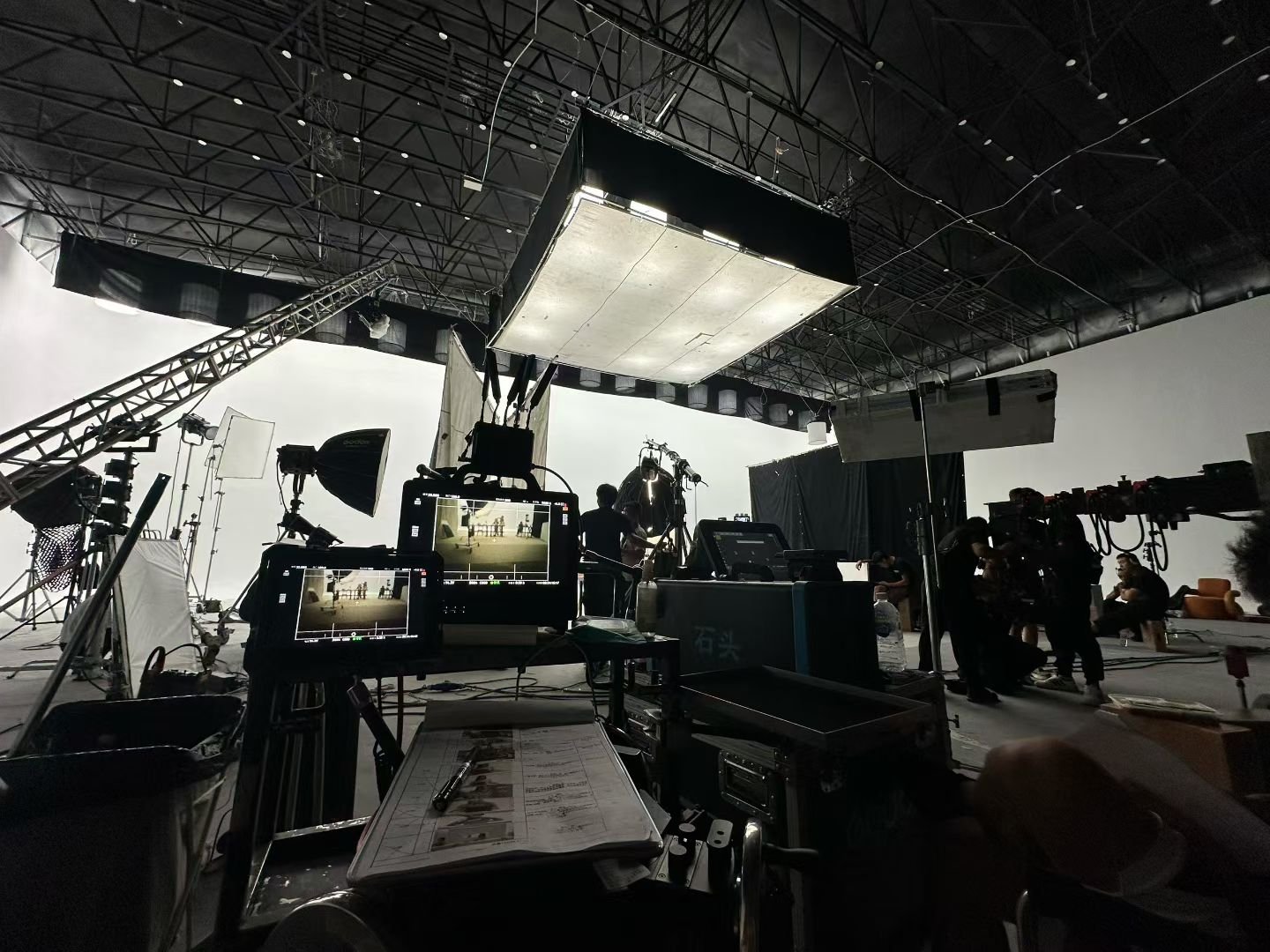
The difference is almost always scope: which days, which people, which equipment, which deliverables, and which costs sit outside the number. This article shows how to turn an early idea into a brief a supplier can quote, how to read quotes against that brief, and how to agree in writing what happens when the plan changes.
It covers mainland China only. Hong Kong and Macau are separate jurisdictions with their own planning assumptions. Entry status, filming permissions, equipment import and drone feasibility are covered in the second article of this series. Roles, daily execution and footage handover are covered in the third.
Contents
Start with a brief a supplier can quote
An early request can be as brief as "what are your day rates for a two-city shoot?" A careful supplier will answer with questions, because a day rate without a scope is not a quote. Give them the inputs up front:
- Cities and specific locations, marked as confirmed, preferred or still open.
- Date window and how flexible it is, including dependence on interviewee or talent availability.
- Production type: brand film, corporate interview, documentary segment, social content, stills, or a mix. Different types can trigger different permission checks, which can change cost and lead time.
- Reference material, however rough.
- Shoot, scout and travel days as you currently imagine them.
- Who travels with you, and which roles you expect the local team to fill.
- Equipment you plan to bring, want to rent locally, or need specified by model.
- Deliverables and intended usage.
Mark anything you do not know as "to be advised." An honest unknown is more useful than a guess the supplier will price as fact.
Estimate versus confirmed quote
An early estimate uses stated assumptions so you can decide whether the project is viable. A confirmed quote follows once locations, dates, crew and deliverables are fixed. Ask the supplier to write assumptions into the estimate and to flag items that remain conditional on permissions, access or equipment availability. When those conditions resolve, the quote should be reissued, not adjusted verbally.
The line items worth asking about
The categories below are questions to resolve, not charges every project incurs or services every supplier includes. Ask that each appear in the quote as included, excluded, optional or to be confirmed.
Preparation.
Research, scouting, casting or contributor outreach, scheduling, document translation, and coordination of permission or access requests. Is preparation a separate fee, a number of days, or folded into shoot days?
Crew and the working day.
Each role, the days it is booked for, and what a day means: start and finish, travel to location, meal breaks, and whether a scout or test day costs the same as a shoot day. Do not assume a half-day is half the cost. Ask whether crew and equipment are blocked for the full date and how that is priced. Put any specific hour count or overtime trigger in the contract rather than leaving it to assumption.
Equipment.
The package by model with accepted alternatives, plus transport, testing, consumables and any technician whose presence is required. If you bring your own kit, budget customs formalities, carriage and insurance separately. If you rent locally, get specification and availability confirmed in writing before treating the rental price as final.
Locations and access.
Fees, deposits, required insurance or safety documentation, and the cost of coordinating with site managers. Public spaces, private interiors, factories and scenic areas are different cases and should not share one assumption.
Transport, accommodation and meals.
Vehicles sized to people and cases, drivers as a separate line from vehicles, airport transfers, inter-city travel, hotels and per diems. State who books and who pays for each.
Third-party and conditional items.
Permission handling services, specialist crew such as drone operators, talent, props, music licensing and location-specific insurance. These are lines where one supplier may include an item and another list it as a pass-through cost, so check each one explicitly.
Postproduction and delivery.
On-set data handling, backup copies and media, proxies, transfer to your editor, subtitles, editing and revision rounds, and retention of material after the project. Ask what is physically handed over, and when.
Administration.
Currency, quote validity period, taxes and invoice type, payment schedule, bank charges and who absorbs them, supplier onboarding into your procurement system, and the link between final payment and footage release. Clarify whether final payment is due before footage is released or after you have reviewed it. Positions differ by project, and neither is a market rule. Agree it before the shoot, not at handover.
The scope behind a shooting day
Production scope extends across preparation, shooting, movement and handover. Each stage adds work to be agreed in the brief.
- 01 Prepare
Brief · people · equipment
- 02 Shoot
Crew · site · working day
- 03 Move
Transfers · cases · resets
- 04 Handover
Files · backup · delivery
Trade-offs that change the number
Lean crew. Fewer people lowers the headline cost but concentrates tasks. If one person drives, manages access and handles data on the same day, decide which of those you can afford to have interrupted. Doubling roles should be a deliberate choice with a schedule and safety check.
Rent or import. Compare the full cost of each route, including transport, testing time, customs handling and a backup plan, not the rental price against zero.
Multi-city. Moving one crew between cities adds travel days, transfers and rest time; a local team in each city trades that for briefing and handover work. Cheaper on paper is not automatically cheaper in outcome.
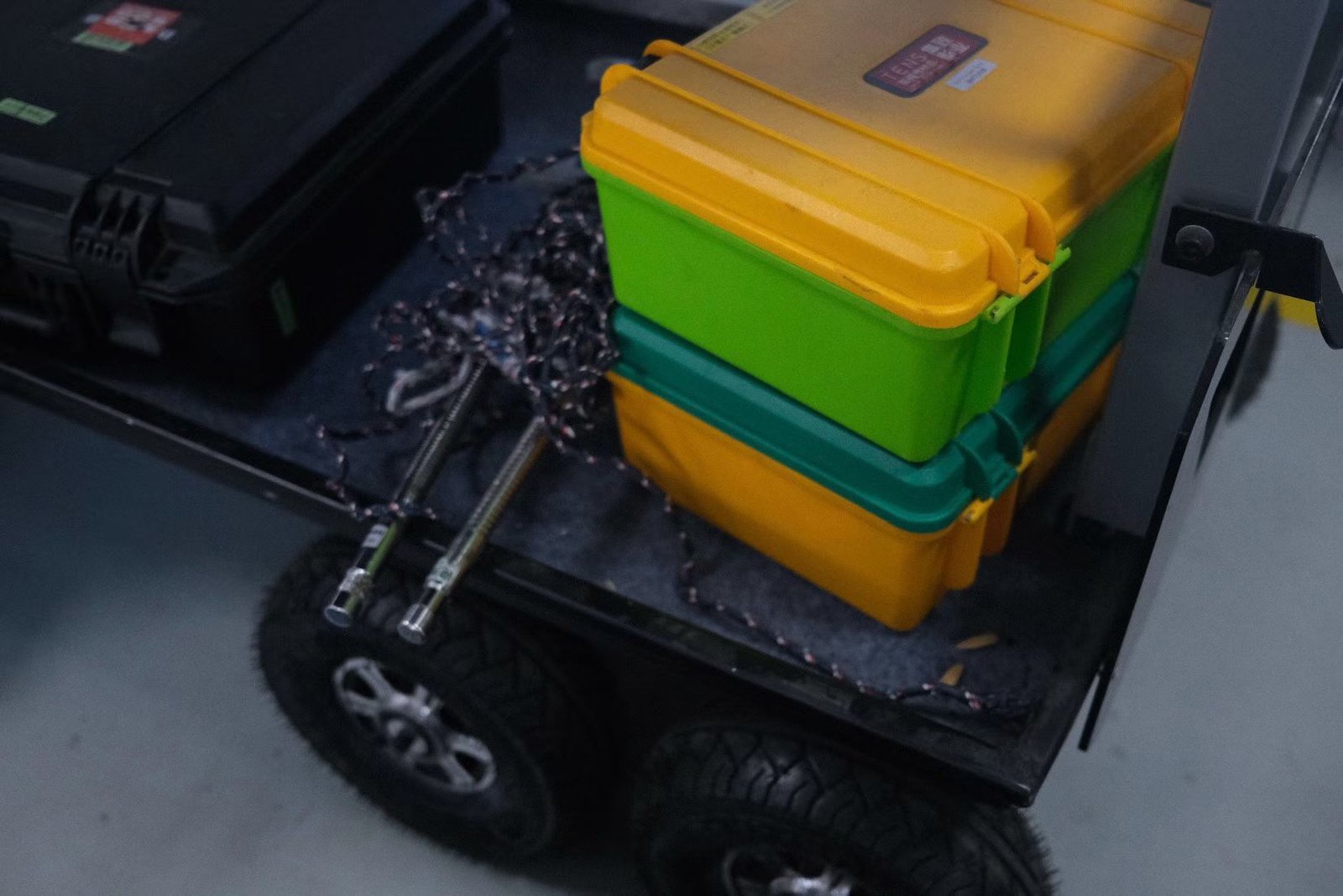
Change management: who approves what
The budget disputes you can prevent are the ones that start with an undocumented change. Before the shoot, agree in writing:
- Who on each side can approve additional cost, and in what form.
- How overtime is triggered, recorded and signed off on the day.
- What happens on postponement, cancellation and weather holds, distinguishing completed work, reserved dates and non-refundable third-party costs. Expect terms to be project-specific and do not assume a standard percentage.
- Who makes a weather call, by what time, and what the fallback is.
- How a location change or an unconfirmed drone plan is priced, including a ground-based alternative.
- A quote version log: number, date, what changed, who approved.
Hypothetical example: same shoot, different scope
Two suppliers quote a two-day interview shoot. Quote A is lower. On inspection, it assumes the client books hotels and ground transport, places the technical check on the first shoot morning, and excludes backup media. Quote B includes a separate test half-day, a driver with a vehicle sized for the cases, and a verified backup handed over on departure. Neither quote is wrong; they answer different briefs. Only once both are rewritten to the same scope can the client compare them, and the lower one may still be right if the client genuinely wants to handle logistics in-house.
Copyable toolkit: inquiry brief and quote comparison
Inquiry brief
- Project:
- [working title], [production type], intended use/distribution
- Cities/locations:
- [confirmed / preferred / open]
- Dates:
- [window], flexibility [fixed / +/- days]
- Days:
- shoot [n], scout [n], test [n], travel [n]
- Travelling team:
- [roles, nationalities]
- Local roles requested:
- [roles]
- Equipment:
- bring [list] / rent locally [list] / specify by model [list]
- Deliverables:
- [rushes / edit / versions / subtitles / stills], review rounds [n], usage scope [territories / media / term]
- Reference material:
- [attached]
- Known constraints:
- [permissions pending, interviewee availability, drone wish]
- Unknowns:
- [list as "to be advised"]
Plain text for copying
Project: [working title], [production type], intended use/distribution
Cities/locations: [confirmed / preferred / open]
Dates: [window], flexibility [fixed / +/- days]
Days: shoot [n], scout [n], test [n], travel [n]
Travelling team: [roles, nationalities]   Local roles requested: [roles]
Equipment: bring [list] / rent locally [list] / specify by model [list]
Deliverables: [rushes / edit / versions / subtitles / stills], review rounds [n],
  usage scope [territories / media / term]
Reference material: [attached]
Known constraints: [permissions pending, interviewee availability, drone wish]
Unknowns: [list as "to be advised"]
Quote comparison checklist
- Same shoot, scout, test and travel days in every quote
- Working day defined: hours, travel time, meals, overtime trigger
- Half-day and test-day pricing stated
- Each role listed with day count; doubled roles flagged
- Equipment by model, alternatives, transport, testing, technician
- Locations: fees, deposits, insurance, coordination
- Insurance: crew, equipment, liability — who provides, what is excluded
- Transport, hotel, meals: who books, who pays, per city
- Third-party and conditional items: included / excluded / pass-through
- Post and delivery: media, backups, transfer, subtitles, retention
- Deliverable versions and usage scope stated
- Currency, taxes, invoice type, quote validity
- Deposit, milestones, bank charges, onboarding, payment vs release
- Cancellation, postponement and weather terms in writing
- Change approval: named approvers, version log
- Exclusions listed explicitly
Plain text for copying
[ ] Same shoot, scout, test and travel days in every quote
[ ] Working day defined: hours, travel time, meals, overtime trigger
[ ] Half-day and test-day pricing stated
[ ] Each role listed with day count; doubled roles flagged
[ ] Equipment by model, alternatives, transport, testing, technician
[ ] Locations: fees, deposits, insurance, coordination
[ ] Insurance: crew, equipment, liability — who provides, what is excluded
[ ] Transport, hotel, meals: who books, who pays, per city
[ ] Third-party and conditional items: included / excluded / pass-through
[ ] Post and delivery: media, backups, transfer, subtitles, retention
[ ] Deliverable versions and usage scope stated
[ ] Currency, taxes, invoice type, quote validity
[ ] Deposit, milestones, bank charges, onboarding, payment vs release
[ ] Cancellation, postponement and weather terms in writing
[ ] Change approval: named approvers, version log
[ ] Exclusions listed explicitly
Next step
Fill in the inquiry brief, unknowns included, and send the same version to each supplier you approach. Ask each to return a quote against that structure. Before you book travel, work through the feasibility checks in the second article; before the shoot, use the third to set roles and handover. A comparable scope is the most useful preparation you can do before asking for quotes.


