Commissioning a commercial shoot in China is a series of client decisions, not a crew schedule. This guide covers the brief, budget drivers, casting, locations, permits, crew and equipment choices, approvals, schedule, risk and delivery. It is the decision guide for a Western client. The production sequence sits in How to Shoot in China. The producer owns the project management that turns those decisions into a dated plan.
Last reviewed 2026-11-05
Brief and Scope
Start with the decision the film has to support. A commercial made for a Chinese audience, a global campaign shot in China and a brand film for an international launch need different locations, cast, language and approvals. Write the audience, the message, the deliverables and the markets where the work will run before asking for locations or budgets.
Decide the scope before the schedule
- What is the primary deliverable: a broadcast spot, a social campaign, a brand film or a set of cutdowns?
- Which audience and market does the work need to speak to?
- Is the story tied to one city, or does it need multiple locations?
- Will the dialogue, graphics and on-screen text be in Chinese, English or both?
- What usage rights, exclusivity and approval conditions apply?
China is one of the world’s largest and most dynamic markets, with locations that range from ultra-modern skylines to ancient villages. That range is useful only when the brief explains why the story needs it. A clear scope keeps location scouting, casting and permitting from expanding in different directions.
Alchemist Films is a Shanghai-based bilingual production company. Its team has worked with global companies including HBO, Microsoft and Burger King, and supports international brands and agencies through local production, language and coordination.
Budget Drivers
A China production budget is driven by decisions, not by a single day rate. The client controls most of the large variables before the first vendor is booked. Agree which ones are fixed and which can move if the budget needs to change.
Know what moves the number
- Shoot days: each added day carries crew, equipment, locations, transport and overtime.
- Locations: access, permits, site fees, build, power and travel can vary widely.
- Cast: casting scope, language, wardrobe, usage and exclusivity change the cost.
- Crew and equipment: local hire versus import, specialist operators and backup gear.
- Travel and accommodation: multi-city moves and peak dates consume contingency.
- Post-production: edit, color, sound, graphics, subtitles and review rounds.
Ask for the budget as a set of choices, not one total. A production partner should show what changes when the client adds a city, a shoot day, a named cast member or a second language.
Casting
Casting is a creative decision and a production decision. The client should approve the casting brief, the language and the usage terms before the search begins. A performer who fits the role may still be the wrong choice if the schedule, location or contract cannot support the booking.
Decide what the role needs
- Age, appearance, language, accent and performance range.
- Whether the role needs a known face, a trained actor or a real person.
- Wardrobe, hair and makeup, travel and availability.
- Usage, exclusivity, renewal and territory.
- Who attends the casting session and who gives final approval.
Local casting can make the work feel authentic to a Chinese audience, while bringing a performer from another market can protect a global campaign. Either choice needs a clear contract and enough time for a callback or a remote test. For the crew side of the decision, see Hiring a Videographer in China.
Locations
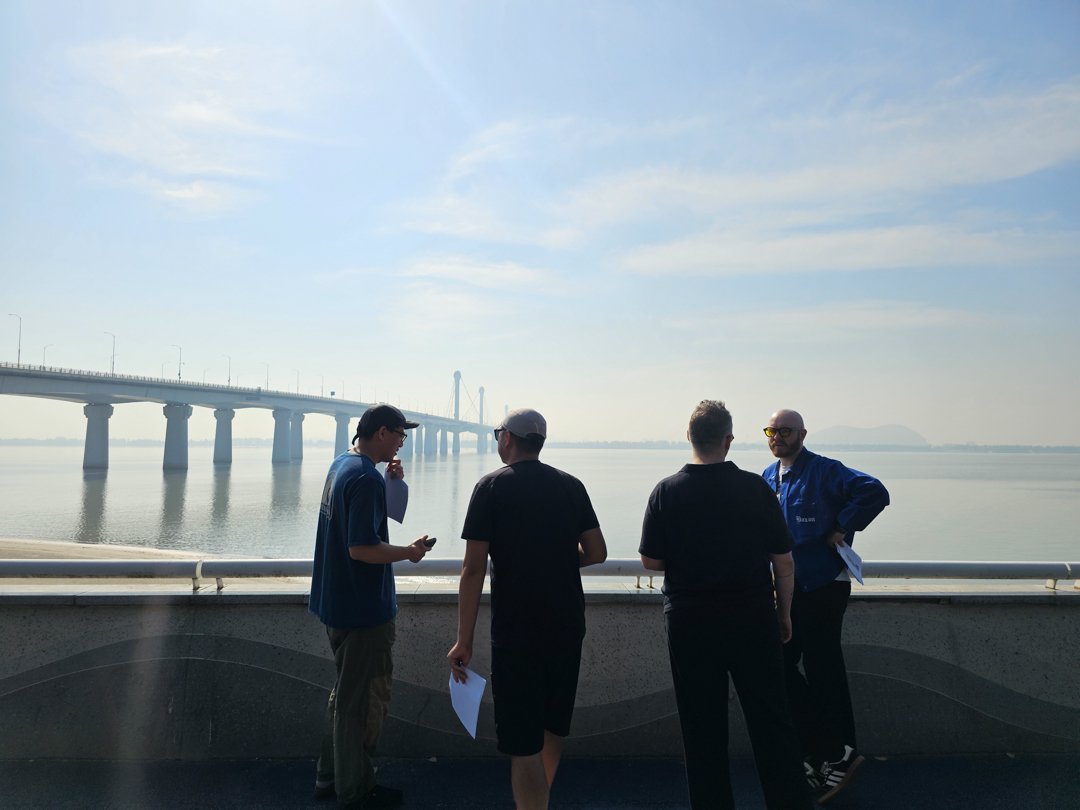
Choose locations against the shot, the access and the approval route. A skyline, a heritage site and a working factory carry different restrictions, and the client should approve the visual direction and the backup, not only the first photograph.
Approve the location package
- Does the location serve the story or only the mood board?
- Can the site support the crew, equipment, power and transport?
- Is the access confirmed, or still subject to a permit or site agreement?
- Is there a viable backup if the date or permission changes?
- Does the location create a cultural or content risk that needs a different treatment?
China’s production hubs include Beijing, Shanghai and Guangzhou, alongside regions with mountains, deserts, rivers and historic towns. A multi-city plan can deliver more variety, but it also adds travel days and another set of local approvals. Approve the route as one decision.
Permits
Permitting is a client risk because it can move the shoot date or change the treatment. The permit route depends on the partner’s scope and the local approvals. The client does not need to manage the paperwork, but should understand which decisions depend on it.
Set the permit strategy early
- Confirm which locations and activities need a separate approval.
- Allow time for script review before the shoot dates are fixed.
- Decide whether drones, special equipment or sensitive subjects are essential to the brief.
- Agree who can approve a location or script change if an approval is delayed.
- Keep a backup date or location for anything that cannot move.
China’s permitting is managed at different levels, and the route can vary by city, site and content. A local partner should turn that complexity into a dated plan, not a general warning. The production sequence after approval belongs to the production team.
Crew and Equipment Choices
The client’s main decision is how much to bring and how much to source locally. Bringing a core team can protect the creative relationship; hiring locally can reduce travel and customs risk. The same choice applies to equipment, where local rental is often faster than importing a full package.
Choose the mix
- Which key roles must travel with the client, and which can be hired in China?
- Does the local crew need bilingual producers, translators or both?
- Is the camera, lighting and grip package available locally, or does it need to be imported?
- Who owns equipment insurance, customs paperwork and replacement cost?
- Which specialist operators, studios or post facilities are essential?
A bilingual production partner can source crew, arrange equipment and translate between Western and Chinese production standards. That does not remove the client’s choice about cost, control and continuity. For the partner model, see Working with a Chinese Fixer.
Approvals
Agree the approval chain before pre-production starts. The client needs one producer who can collect notes and one final approver who can stop a decision from reopening. Approvals should cover the brief, budget, casting, locations, schedule, cut and final delivery.
Make each approval explicit
- Who reviews the script and the shot list?
- Who signs off casting and wardrobe?
- Who approves a location change or an added shoot day?
- How many cut reviews are included, and who consolidates the notes?
- What counts as final delivery, and who confirms it?
Remote review can keep a global team aligned, but it needs a clear owner. Notes from several stakeholders should arrive as one set, not as competing instructions to the crew. Put the approval dates in the schedule and hold the production to them.
Schedule
The schedule is a client decision because it sets the trade-off between cost, access and quality. A shorter schedule can work when the locations and cast are confirmed. It becomes expensive when it assumes that permits, weather and travel will all land on the first attempt.
Decide what is fixed
- Which campaign or launch date cannot move?
- Which dates depend on a location, contributor or permit?
- What can move if a fixed point slips, and who approves the change?
- Which dates can absorb a delay without moving the launch?
- Which approval date would stop the production from starting on time?
A realistic schedule gives the producer room to solve a permit answer, a location change or a gear failure. The client should approve that contingency as part of the plan, not treat it as an unplanned cost later.
Risk
The main production risks are predictable: a permit arrives late, a location becomes unavailable, a key crew member drops out, the weather changes or the client changes the brief. The client’s decision is how much contingency to fund and who can act when a risk becomes real.
Agree the client decisions before the shoot
- How much contingency will the client fund?
- Which risks would change the treatment rather than the schedule?
- Who can approve extra cost or an added shoot day?
- Which risks need a client decision before the shoot?
- What is the escalation path if a risk becomes real?
Content risk is a client decision. If the treatment touches a sensitive subject, decide early whether to change it, relocate it or accept a longer review. That is a production and legal risk, not a creative surprise for the edit.
Delivery
Define what the client is commissioning before the shoot. The delivery decision covers scope, usage, review rounds and the handover date. A clear delivery spec prevents the final week from becoming a negotiation about files that were never in scope.
Confirm the commission
- Which deliverables are part of the commission?
- What usage rights and ownership does the client need?
- Which review rounds and acceptance criteria are included?
- Where will files be stored, and for how long?
- Who signs off final delivery?
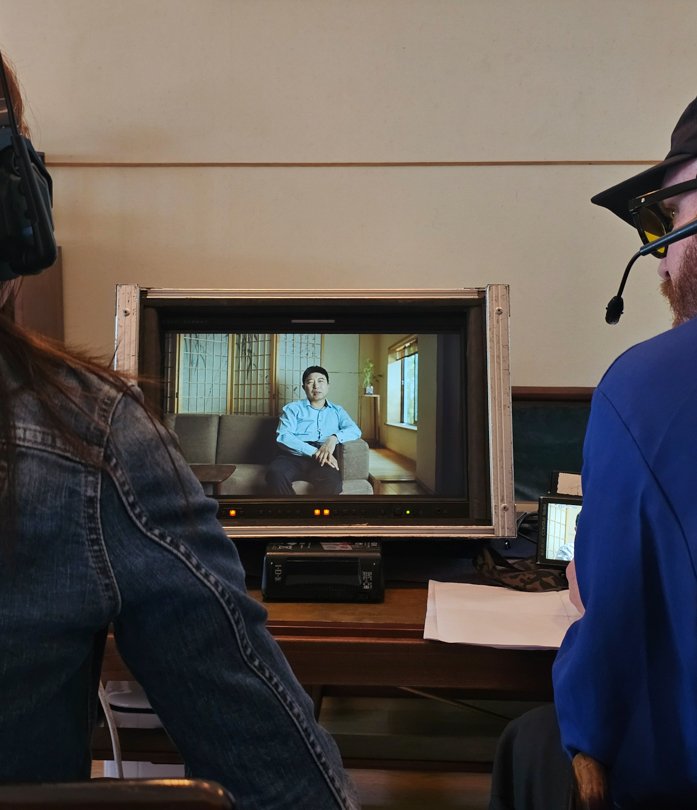
Alchemist Films supports remote approvals and secure file delivery for international teams. The commission should name the final outputs before the shoot, not after the edit.
Request a Planning Review
Send the brief, the markets and the delivery date. We will review the scope, budget drivers, locations, permits and schedule before the production is commissioned. Contact our China production team to request a planning review, or see our commercial production work in China.