For a broader view of how China compares with the US, UK, and Germany in 2025, check our Global Video Production Landscape overview.
Corporate Video Production: Speed, Messaging, and Distribution
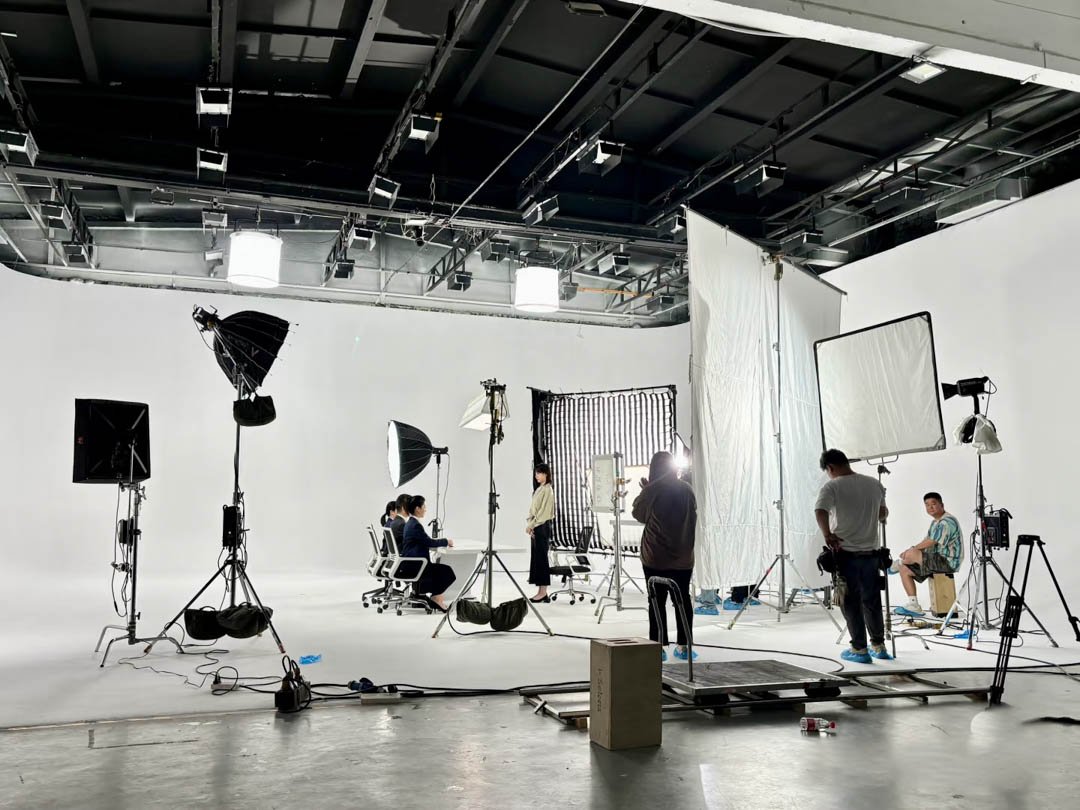
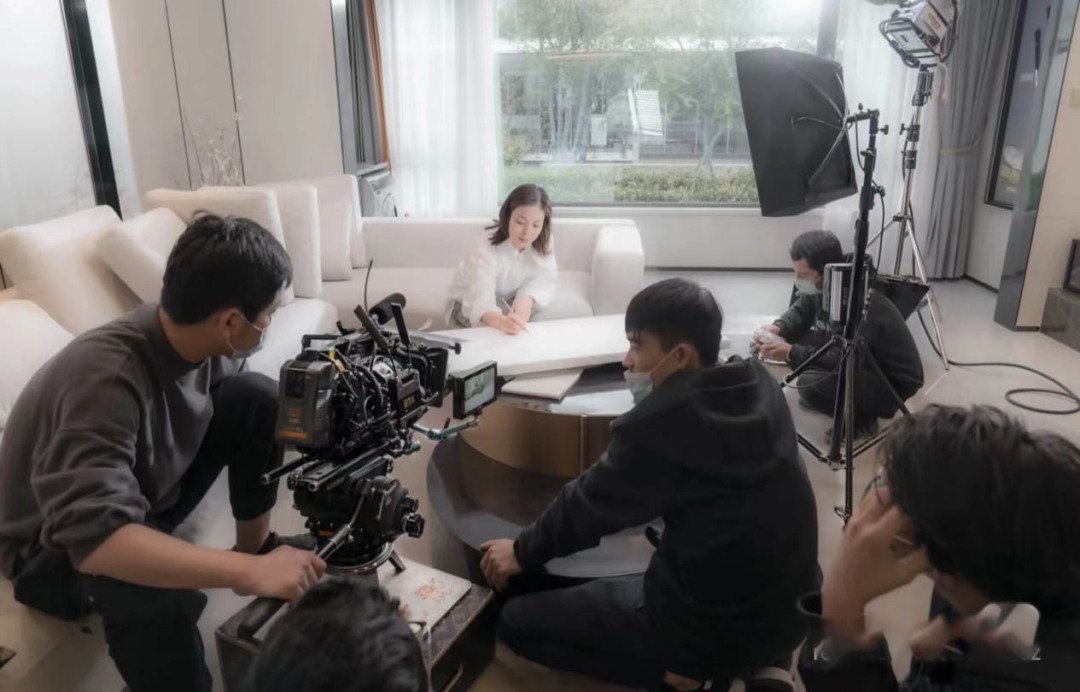
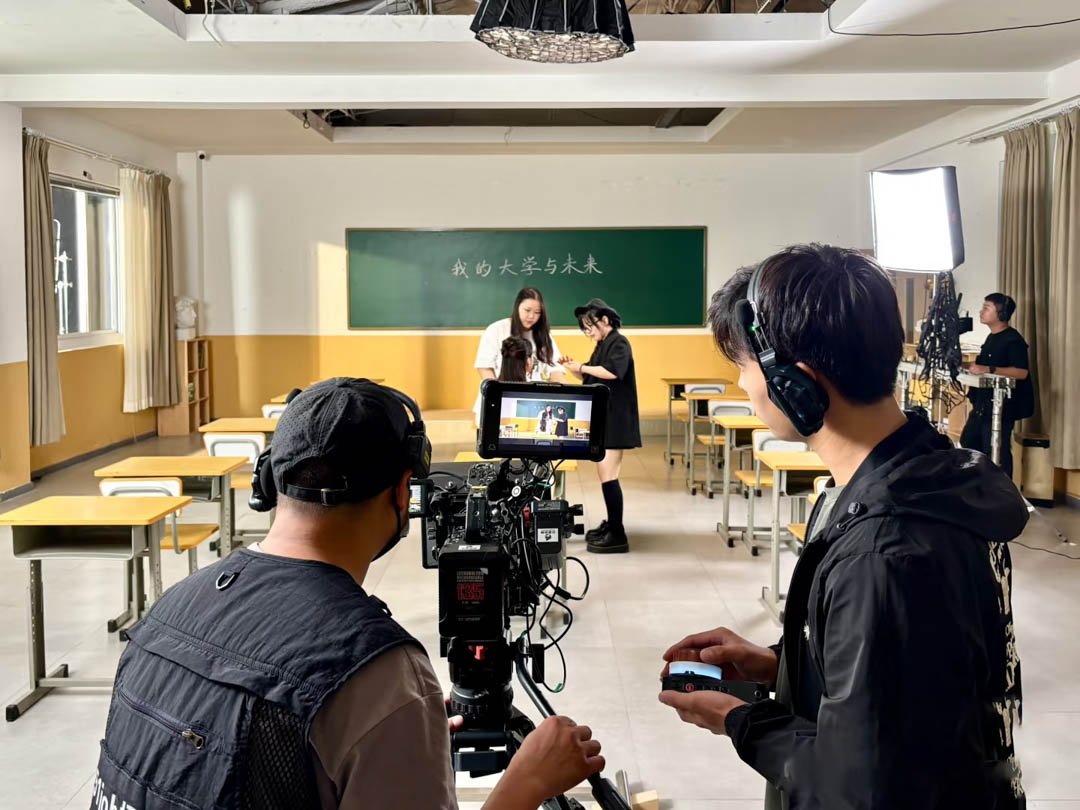
In China, corporate video production tends to be fast-paced, mobile-optimized, and budget-conscious. Many companies either handle production in-house or collaborate with boutique studios, where labor costs are notably lower. Content is often aligned with national values and distributed through popular platforms such as WeChat and Douyin. Event video and photography services in China frequently complement these corporate campaigns, extending their reach through livestreams and influencer segments.
By contrast, in the US, UK, and EU, corporate videos lean toward cinematic storytelling, emphasizing brand identity and measurable ROI. Specialized agencies deliver high-quality productions that often run longer and aim for emotional resonance. Compliance here is primarily about adhering to advertising guidelines rather than pre-approval from state authorities.
TV Commercials: Cultural Influences and Creative Style
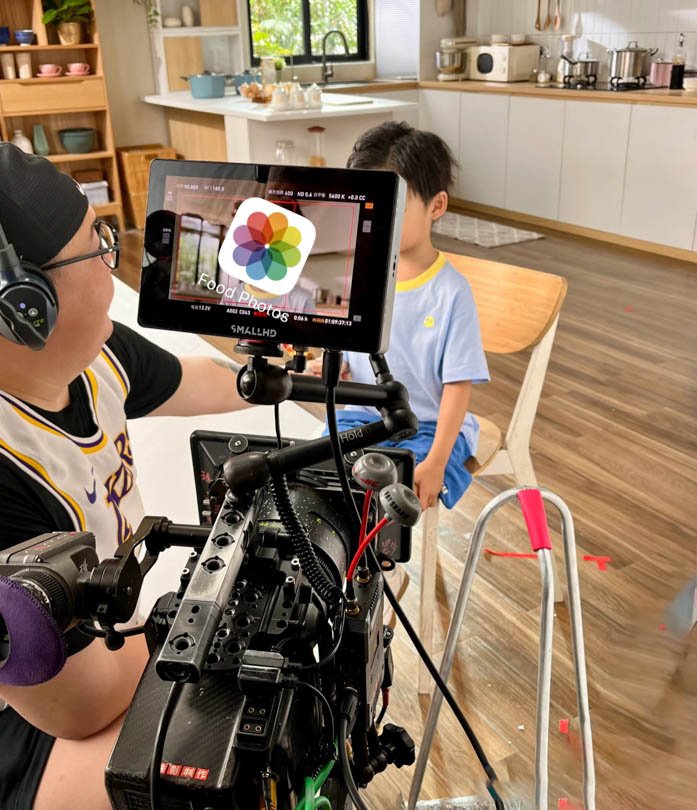
Chinese TVCs are deeply shaped by mobile commerce trends. Fast-paced visuals, celebrity endorsements, and interactive features like AR filters are common. Many brands integrate campaigns with e-commerce platforms, aligning with national holidays and cultural narratives. Our experience in food and beverage video production in China shows how vital speed and adaptability are for engaging this market.
Western commercials often focus on strong narrative arcs, humor, and originality. These productions are designed for high-profile broadcasts, such as the Super Bowl, and have minimal censorship—apart from general advertising standards.
Documentary Filmmaking: Scope and Restrictions
In China, documentaries must receive state approval before release, which limits the scope to non-political themes like cultural heritage, technological advancements, or culinary arts. Projects such as our food and culinary documentaries in China showcase how creative teams adapt within these guidelines, using drones, 360° video, and livestreaming to enhance storytelling.
Western markets offer far more creative freedom. Documentaries can tackle investigative, political, or human rights subjects without prior approval, as long as they meet rating board requirements. Diverse funding sources—from broadcasters to streaming platforms—enable a wide range of topics and styles.
Comparison at a Glance
| Aspect | China | Western Markets (US/UK/EU) |
|---|---|---|
| Production Style | Short-form, mobile-first, aligned with national themes | Narrative-driven, cinematic, brand-focused |
| Business Model | In-house or boutique studios, KOL/e-commerce integration | Specialized agencies, pitch-based work |
| Censorship | State-vetted; no public rating system | Self-regulated via rating boards |
| Budgets | Lower per-project costs, especially labor | Higher investment per project, focus on quality |
| Audience Behavior | Mobile-first, fast-paced, price-sensitive | Multi-platform, niche-taste, quality-driven |
| Technology | Fast adoption of AR/VR, 5G, livestream commerce | Advanced studio tech; slower commerce integration |
| Client Expectations | Speed, flexibility, alignment with national and e-comm goals | Creative originality, ROI, brand value |
Final Thoughts
Both China and the West have sophisticated but distinct video production ecosystems. Global brands looking to succeed in China should adapt strategies to match local tastes and regulations. Partnering with an experienced bilingual production company is crucial for navigating cultural nuances, managing on-the-ground logistics, and ensuring compliance. Our Burger King China commercial production is a prime example of how localized strategies can create impactful, compliant, and visually engaging campaigns.
For deeper insights into China’s digital content regulations, see the Reuters special report on China’s online video industry.