Hiring a videographer in China starts with agreeing what you need to film and what you need to receive. A short interview, a product film and a shoot across several cities need different crew, equipment and coordination. Use this guide to prepare a brief, compare relevant work, check the quotation and agree the handoff before booking.
Updated 6 November 2026
1. Send a Brief That Defines the Deliverables
Give each candidate the same brief so their responses are comparable. Include the purpose of the film, its audience, the cities and proposed dates, and the people or products to be filmed. Share a reference with a short explanation of what you like about it: the interview style, lighting, camera movement or pacing.
- Filming: number of locations, interviewees, filming days and any essential shots.
- Outputs: finished films, cutdowns, aspect ratios, languages, subtitles and delivery formats.
- Post-production: whether you need filming only, editing, sound, color grading or graphics.
- Approvals: who signs off the brief, attends the shoot and approves the edit.
- Timing: the first-cut deadline, review periods and final delivery date.
- Budget: the available range and the elements you can adjust.
State whether you need original footage and project files as well as finished exports. Those are different deliverables and should be agreed separately. For the wider client decisions around a campaign, see How to Plan a Commercial Shoot in China.
2. Review Complete Work Alongside the Showreel
A showreel helps you assess visual style. Ask to see a complete, relevant film too, so you can judge dialogue, continuity and how the footage supports a story. An interview assignment calls for different evidence from an event, a documentary or a product film.
- Ask which parts the candidate filmed and whether they also directed or edited the work.
- Check dialogue clarity, consistent exposure, skin tones, focus and usable coverage.
- Ask how the example’s crew size, location and schedule compare with your project.
- Confirm who will attend your shoot and who is responsible for the final handoff.
Use the same questions with each candidate. A familiar camera brand or an impressive client list does not explain who will solve the specific challenges in your brief.
3. Agree Language Support and Production Responsibilities
Confirm the working language for the briefing, shoot and edit review. Identify who will speak with contributors and location staff, translate feedback and communicate decisions to the camera team. For a remote client, agree how you will review the setup and send feedback during filming.
Clarify whether you are booking a camera operator, a small crew or a production company responsible for a wider scope. Ask who handles schedules, location coordination, transport and equipment bookings. The guide to fixer-only and packaged production contracts explains how those responsibilities can be divided.
4. Match the Crew and Equipment to the Shots
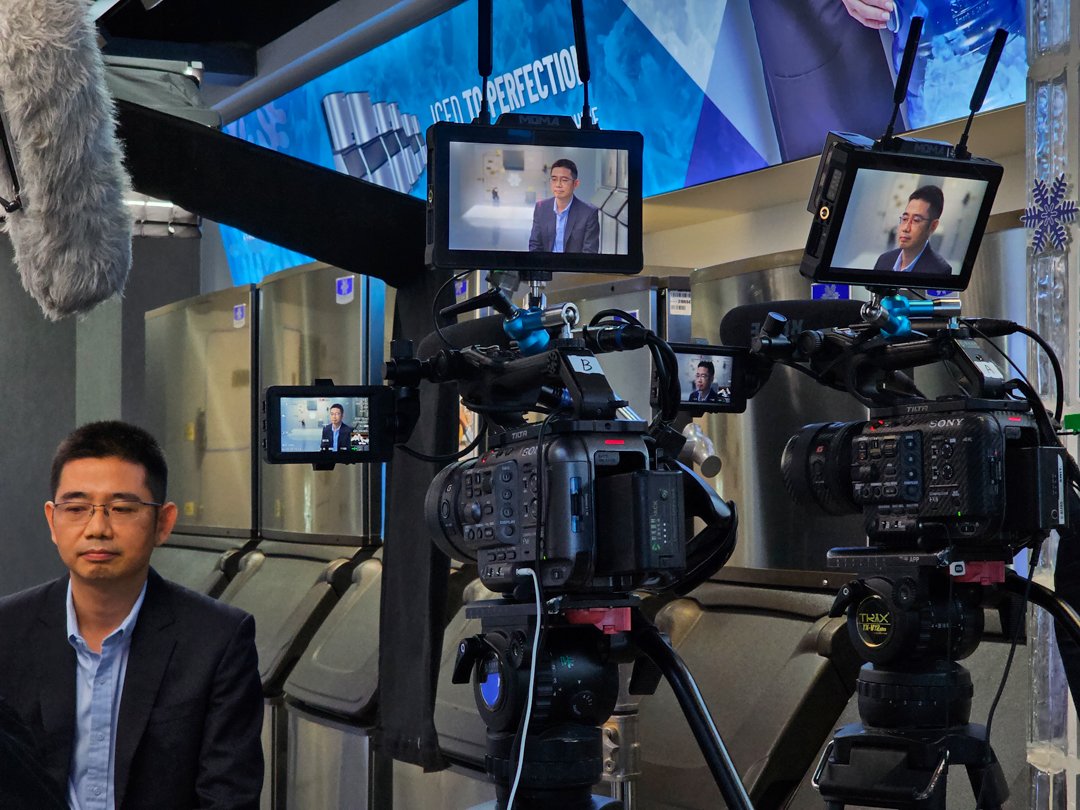
Ask for a proposed crew and equipment list with an explanation of what each item supports. A solo videographer may suit a compact assignment; a more involved setup may need separate sound, lighting or production support. Decide against the actual schedule and shots.
- Camera: camera count, lenses, recording format and compatibility with your edit workflow.
- Sound: microphones, monitoring and responsibility for recording clean dialogue.
- Lighting: the intended look, available power and time needed to set up.
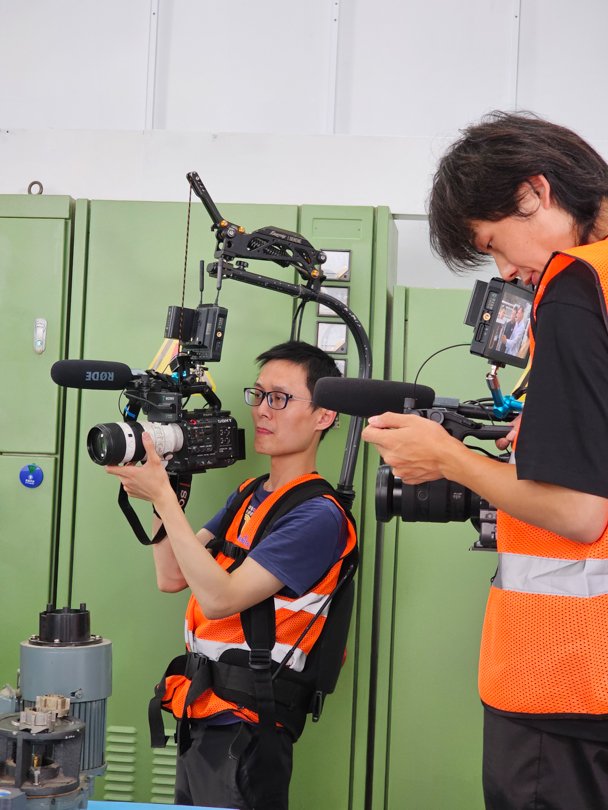
- Movement: whether handheld, tripod or stabilized shots serve the brief.
- Support: setup and pack-down time, transport, batteries, media and agreed backup equipment.
If editing will happen with your own team, have the editor confirm the recording settings before the shoot. Agree any specialist equipment separately, including who operates it and what access or permissions it needs.
5. Assign Location and Permit Coordination
List the locations and intended filming activities, then ask who will confirm access, coordinate any relevant permissions and communicate restrictions to the crew. Record what is confirmed and what remains pending before treating the schedule as final.
For an office or factory, agree the location contact, filming areas, contributor availability, noise conditions and arrival process. For any unresolved access, agree the decision deadline and a workable alternative. Do not assume location coordination is included in a videographer’s filming fee.
6. Compare the Scope Behind Each Quote
Compare like-for-like scope before comparing totals. Ask the provider to separate filming, equipment, production support, travel and post-production where relevant, and explain which costs are estimates or exclusions.
- Time: shoot days, included hours, setup time, overtime and extra-day terms.
- People: camera crew, sound, lighting, producers and language support.
- Locations: travel, accommodation, transport and site-related costs.
- Deliverables: edit length, versions, subtitles, graphics and review rounds.
- Changes: additional locations, reshoots, extra formats and accelerated delivery.
If two quotes differ, identify which scope assumption explains the gap. Ask for an adjusted option if needed, with its effect on the shots, schedule or deliverables written down.
7. Put the Booking and Delivery Terms in Writing
Before confirming the booking, check that the written agreement matches the brief and quotation. Record the named booking contact, crew scope, dates, included equipment, payment milestones, change approval and cancellation or postponement terms.
Agree footage and finished-film usage, any third-party material, confidentiality and whether the provider may show the work in a portfolio. For post-production, specify the feedback owner, included revision rounds, delivery formats and the process for accepting the work. Record exclusions clearly, especially original footage, project files and ongoing storage.
8. Decide Whether a Test Shoot Is Useful
A test can be useful when a specific visual setup, product treatment or remote review workflow remains uncertain. First decide what question the test needs to answer. If both parties agree to one, confirm its scope, cost, participants, output and approval criteria before booking it.
Where relevant previous work and a technical briefing already answer the question, a separate test may add little. A test shoot is a project decision, not an assumed inclusion in the filming package.
9. Agree the Footage Handoff Before Filming
Name the person who will receive the footage and confirm how they will check it. Agree folder names, file formats, audio organization, transfer method and any proxies needed for review. Confirm how missing or damaged files will be reported and resolved before the handoff is accepted.
Set out who keeps each copy during production, what is delivered at the end and any agreed storage period after delivery. Use the production file backup and transfer guide to plan those details with the filming and editing teams.
Videography and Production Support from Alchemist Films
Alchemist Films is based in Shanghai and supports filming across China, including Beijing, Shenzhen, Chengdu, Hangzhou, Guangzhou and Xi’an. Our work includes commercial and corporate films, executive interviews, product and brand stories, documentaries, training content and events.
Whether you need a solo videographer or a full production team with equipment, we tailor our packages to fit your goals. Our production support includes filming and post-production for TV, web, mobile and social outputs. Browse our commercial work to see relevant projects, then explain the scope you need for yours.
Client Testimonial
“Alchemist Films was instrumental in helping us film a high-stakes brand shoot across Shanghai and Beijing. Their bilingual crew, professional approach, and deep local knowledge made it all possible.”
Global Production Lead, Tech Brand
Contact Alchemist Films with your brief, cities, proposed dates and deliverables to discuss your production.