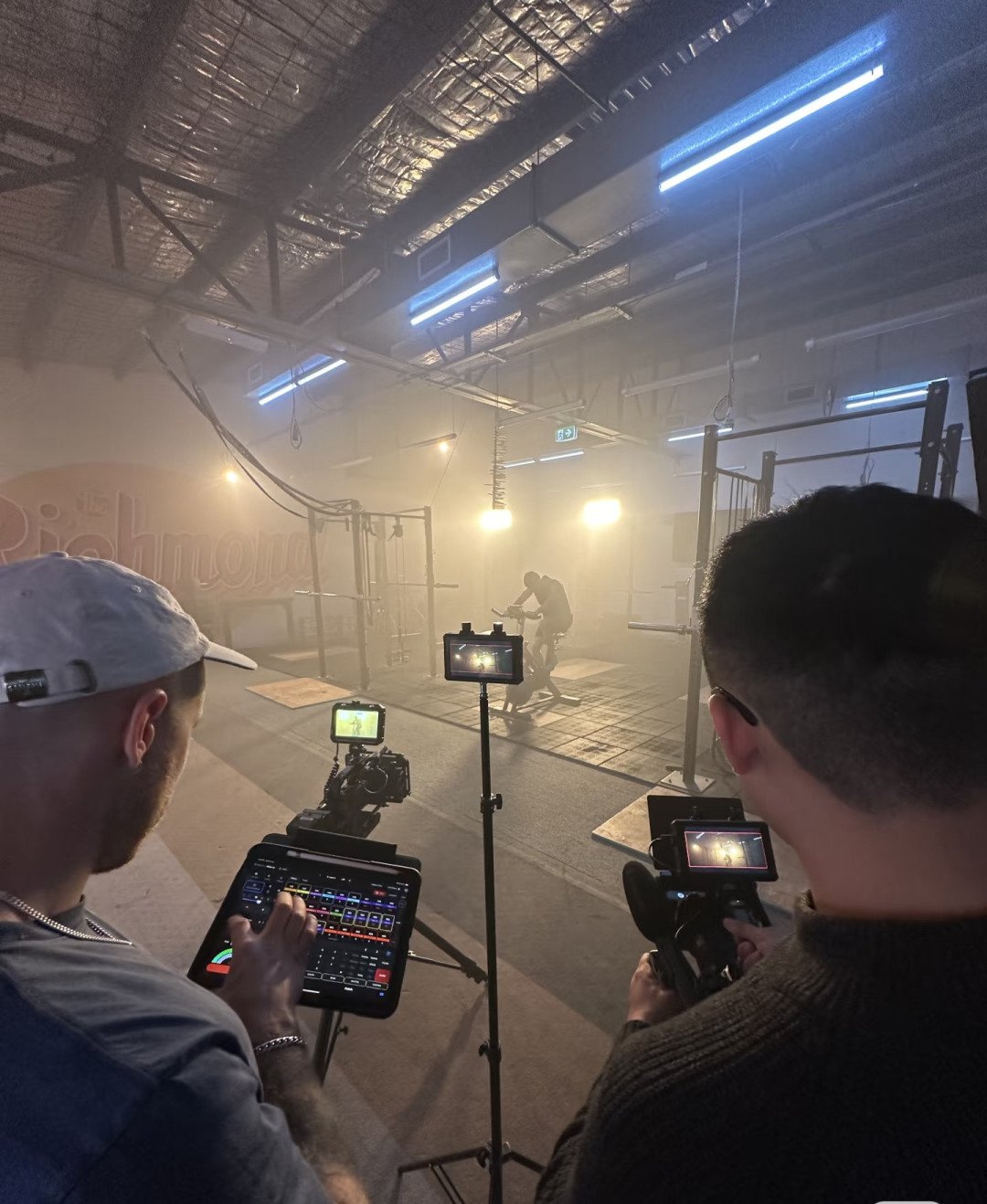
An approved China shoot becomes a managed project long before the first call sheet. This guide covers the producer’s job: roles, local partners, schedule, budget, locations, crew, equipment, approvals, risk, data and delivery. It is the project management guide, not the on-set craft guide or the visa guide. For on-set execution, use the How to Shoot in China guide.
Updated 6 November 2026
Roles and Responsibilities
A China production runs on clear ownership. Name one person for each workstream, then publish the list where the client, local partner and crew can all see it. Shared ownership is where schedules, approvals and costs start to drift.
Build the responsibility map
- Client producer: owns the brief, budget approval, final creative sign-off and escalation path.
- Production lead: owns the schedule, vendors, crew, locations and day-to-day decisions.
- Local partner or fixer: owns local permits, supplier relationships, translation and on-ground coordination.
- Finance contact: owns purchase orders, invoices, currency and payment timing.
- Post producer: owns media intake, review rounds, delivery and archive.
Agree the approval chain
Write down who can approve a location, a schedule change, an additional shoot day, a crew substitution and a change to the brief. A client note sent directly to a department can bypass the producer and create two versions of the plan. Route decisions through one chain and record the answer.
If the client and local team work in different time zones, agree a daily window for decisions. The producer should know which decisions can wait for the next call and which need an answer before the crew is released.
Local Partners and Scope
A fixer is the local production contact who coordinates the agreed work on the ground. That can include interpreting, locations, suppliers, transport, accommodation and catering. Agree the actual scope and decision authority instead of assuming the job title includes every task.
Foreign productions usually need a licensed Chinese partner to apply for permits, review scripts and handle local compliance. Scope that relationship before work begins. The partner may provide the legal applicant, location access, crew, equipment, casting, translation or full production support. Each service should have a named deliverable and a named owner.
Put the scope in writing
- Which permits and approvals the partner will apply for.
- Which locations, studios, crew and equipment the partner will source.
- What the partner will not cover, including client travel, insurance or post-production.
- How changes are priced and approved.
- Who holds the contract with each local vendor.
A local fixer is most useful when the scope is explicit. The partner can then solve local problems instead of renegotiating the brief. For the working relationship and contract model, see Working with a Chinese Fixer.
Agree the audience and intended release before choosing the production setup. Commercials, documentaries, branded content and feature films can call for different briefs. The comparison of production planning across China and Western markets identifies questions to raise when an international team briefs its local partner.
Schedule and Milestones
Build the schedule from the delivery date backwards. Put pre-production, approvals, travel, recce, shoot days, contingency and post-production on one timeline. Then mark the milestones that cannot move: script approval, permit issue, location hold, crew booking, gear order and client review.
Separate work from waiting
Permits, invitations and location access depend on other people. Give each approval its own lead time and owner. A schedule that assumes every approval arrives on the first request is not a plan; it is a hope with dates.
- Lock the shoot dates that depend on a fixed location, contributor or weather window.
- Protect the travel days that cannot be recovered if a flight or train moves.
- Leave room for one round of script or location changes.
- Set the client review dates before the edit begins.
- Record the final delivery date and the handover owner.
China’s high-speed rail, major airports and studio clusters make multi-city work possible, but travel still consumes shoot days. Group locations by city and confirm working hours, turnaround and travel time with the local crew before the call sheet is fixed.
Budget Tracking
Track the budget by workstream, not as one lump sum. The useful view is the committed cost, the estimated cost and the remaining contingency for each part of the production. That shows where a change will land before it becomes an invoice.
Use a live cost sheet
- Split the budget into pre-production, crew, equipment, locations, travel, accommodation, permits, insurance, post-production and contingency.
- Record the approved amount, committed amount and forecast for each line.
- Mark which lines are fixed, which are estimates and which can still be reduced.
- Log every change with the person who approved it and the date.
- Reconcile deposits, invoices and currency before closeout.
Do not wait for the final invoice to discover a variance. Review the cost sheet at the same cadence as the schedule, and give the client a clear decision when a change needs more money. Each variance should show what changed and which approval covers it.
Separate production expenses from discretionary client spending before the shoot. The client hospitality and expense boundaries guide covers categories, advance approval and receipts.
Locations and Permits
Treat location access as a project workstream. Each location needs an owner, a permission status, an access window and a fallback. Public spaces, heritage sites, factories, studios and private venues can follow different routes, and a location that looks available may still need a site agreement or a local approval.
Track each location through one register
- Address, contact and site owner.
- Permission status and the person responsible.
- Recce date, access restrictions and power or parking notes.
- Shoot dates, backup dates and cancellation terms.
- Any condition attached to the approval.
The local partner should own the permit applications and keep the production informed of changes. Script review and location-specific permissions may sit with different authorities, so do not assume one approval covers the whole shoot. For a coordination route that keeps permits, locations and schedule aligned, see video production coordination in China.
Crew and Equipment
Book crew and equipment against the shot list and the approval chain, not against a generic production tier. Confirm who can approve additional crew, overtime, a specialist operator or a replacement item. The producer should know the cost and schedule effect before the order is placed.
Crew plan
- List each role, the required language, the shoot dates and the reporting line.
- Confirm local crew rates, working hours, overtime, travel and meal terms.
- Book bilingual producers or translators where the client and crew do not share a language.
- Hold a backup for any role that would stop the shoot if it dropped out.
Crew entry is a separate immigration workstream. Confirm the category and documents before tickets are booked. The China visa for video production guide covers the visa categories and application steps.
For models and other participants, confirm availability, intended usage, wardrobe, travel and call times as part of the booking. Use the model and contributor expectations guide to record what both sides need to confirm.
Equipment plan
- Decide whether to rent locally or import before the budget is locked.
- Confirm availability, insurance, delivery, setup and return dates.
- Check power, rigging, transport and storage at each location.
- Keep a spare body, lens and recorder for critical shoot days.
Renting locally is often simpler than importing gear, but the right choice depends on the package and the workflow. The production plan should state which route is approved and who owns customs paperwork if gear crosses a border.
Approvals and Risk
Keep a single approvals log for the script, locations, crew, equipment, schedule and final cut. Each entry should show what was submitted, who reviewed it, what changed and when the answer is due. The log is the production’s memory when a decision is challenged later.
Manage the risks that can stop a shoot
Assign responsibility for the location risk assessment, safety briefing and emergency contacts. Discuss local working practices with the crew and suppliers, and make sure the client and local team understand the same instructions. A fixer can coordinate this work within the agreed scope; the role alone is not a guarantee that every risk has been covered.
- Permit delay: hold a backup location or date and decide who can approve the switch.
- Weather or access: keep a contingency day and a covered option for critical scenes.
- Crew or equipment failure: name the backup and the person who can release it.
- Content sensitivity: review the script and shot list with the local partner before the shoot.
- Client change: price and schedule the change before work continues.
China has strict content rules, and topics such as politics, religion and military affairs can be sensitive. The local partner should flag anything that needs a different treatment. The producer’s job is to turn that advice into a decision, not to leave it as a warning in an email.
Data and File Management
Agree the data plan before the shoot. Name the camera originals, proxies, project files, review links and final masters, and state who receives each one. The plan should work on set, in the edit and after delivery.
Set the rules once
- Use one folder structure and naming convention across all cards and days.
- Make two independent copies before a card is reused, then verify the copy.
- Keep a third copy off set when the schedule allows.
- Record who has access to the review platform and the raw footage.
- Agree the archive period, the handover format and the deletion date.
Remote stakeholders can review dailies and cuts through a shared platform, but the production still needs a local owner for media intake. Test the transfer route at each location before the shoot day, not after the first card is full.
Delivery and Closeout
Close the project with the same discipline as the shoot. Confirm the delivery spec, review rounds, final approvals, invoice reconciliation and archive handover. A clean closeout protects the client relationship and makes the next production easier to plan.
Closeout checklist
- Deliver the approved masters, captions, music and project files.
- Confirm the client has received and accepted each deliverable.
- Reconcile invoices, deposits, currency and any outstanding change orders.
- Return or confirm the return of rented equipment and locations.
- Record the final cost, schedule variance and lessons for the next shoot.
- Close access to review links and confirm the archive location.
If the production includes a theatrical release in China, confirm the review route with the local partner before delivery. International and domestic releases can follow different processes. Keep that decision in the approvals log rather than leaving it to the final week.
Request a Project Organisation Checklist
Send the shoot dates, locations and current scope. We will return a project organisation checklist covering roles, partners, schedule, budget, approvals and delivery. Contact our China production team to request the checklist.