Volvo Construction Equipment China
Industrial & Heavy Equipment
Heavy-equipment production across a remote limestone mine
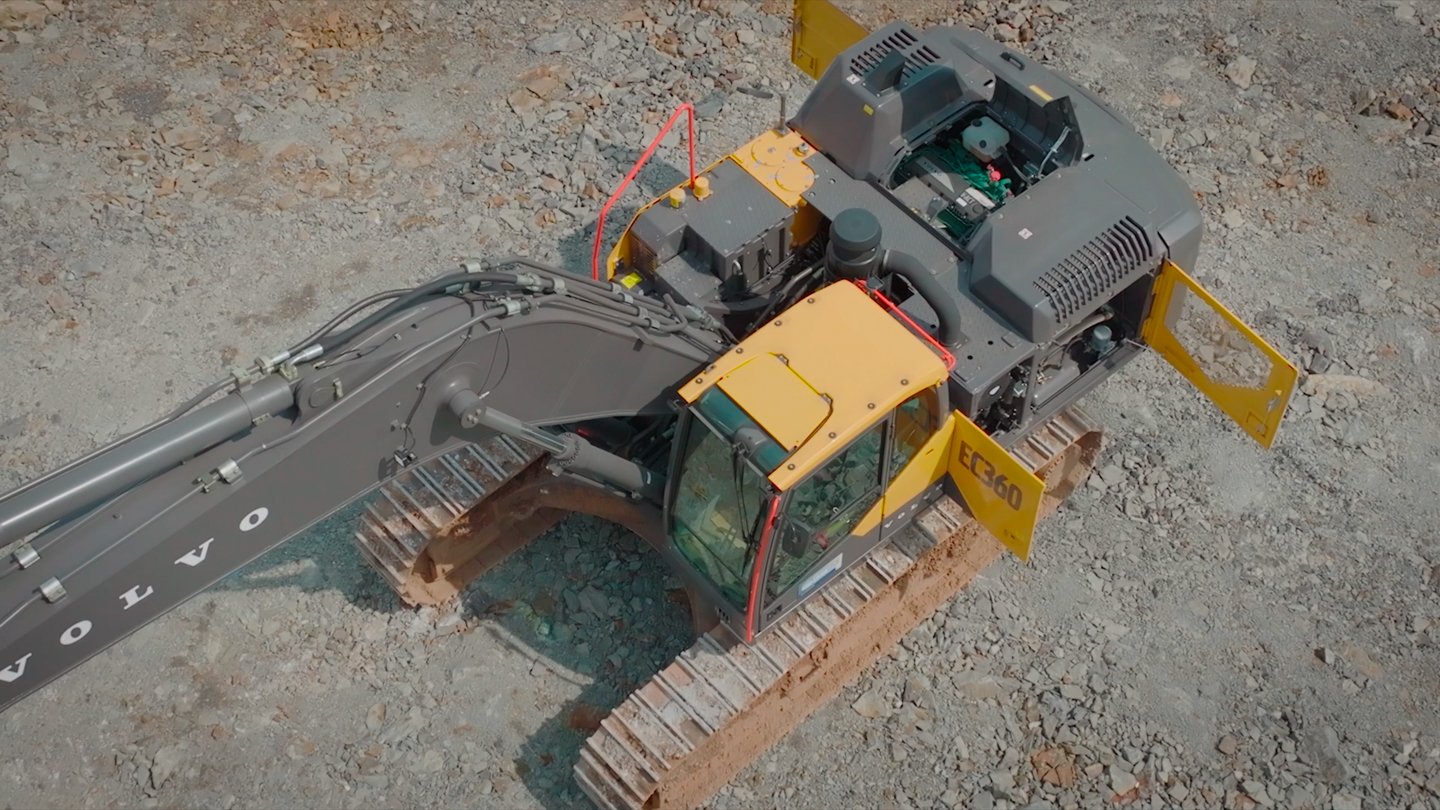
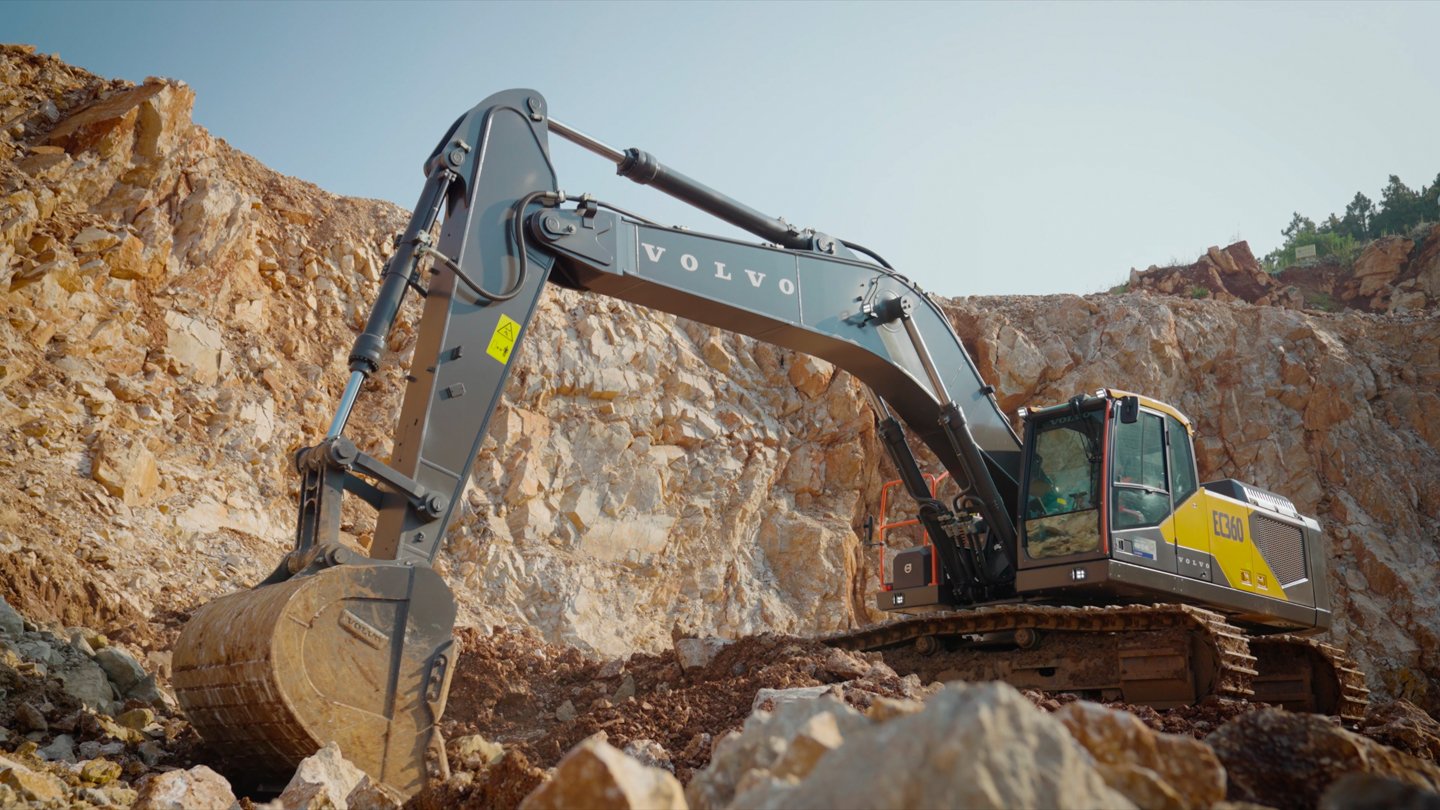
An initial construction-equipment film trial expanded into a six-model series produced over approximately two months. For the Volvo EC360, the storyboard placed the machine's updated design and Volvo identity in a real quarry setting. The production balanced wide machine coverage with summer heat, shifting weather, location access, and coordination with local operators.
- Project
- Volvo EC360 Excavator Series
- Client
- Volvo Construction Equipment
- Place
- China
- Format
- 74-second EC360 film within a six-model series
- Alchemist role
- Local production support and filming
Production built around machines, weather and field conditions
Trial to series
An initial trial developed into a coordinated six-model production rather than a single isolated shoot.
Three-day machine windows
Each machine was planned around approximately three outdoor filming days, requiring focused shot priorities and daily resets.
Extreme-heat logistics
Summer temperatures shaped call times, crew movement, equipment handling, hydration, and the pace of exterior work.
Remote-mine access
The EC360 location required production planning around travel, mine access, working areas, and limited reset opportunities.
Weather interruptions
Rain and falling debris interrupted filming; the team paused and continued once conditions improved.
Operator coordination
Local operators helped align machine movement, repeatable actions, and practical filming windows with the production plan.
Machine, location and production context
A remote mine shaped the production plan
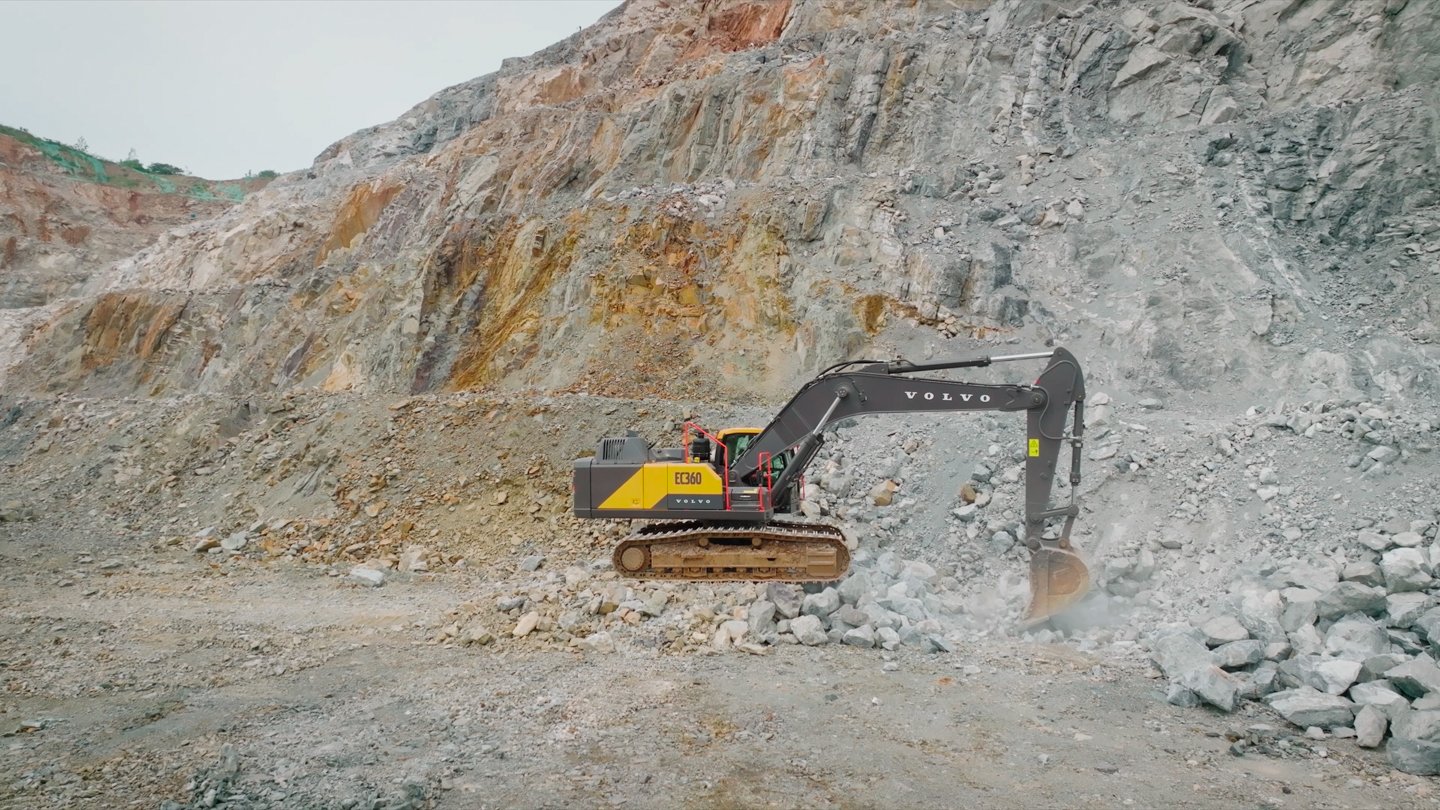
The EC360 storyboard called for a real quarry jobsite. Access, weather and machine availability shaped the coverage.
The location plan connected access, weather-aware sequencing and machine movement to the coverage needed for the edit.
- Access before coverage Route, work-area and machine-access decisions were settled before expanding the shot plan.
- Weather-aware sequencing Exterior priorities stayed flexible so the production could respond to rain, debris and changing light.
- Machine moves with purpose Operator coordination focused each move on useful coverage rather than repeating unnecessary cycles.
Scale, detail and operator context
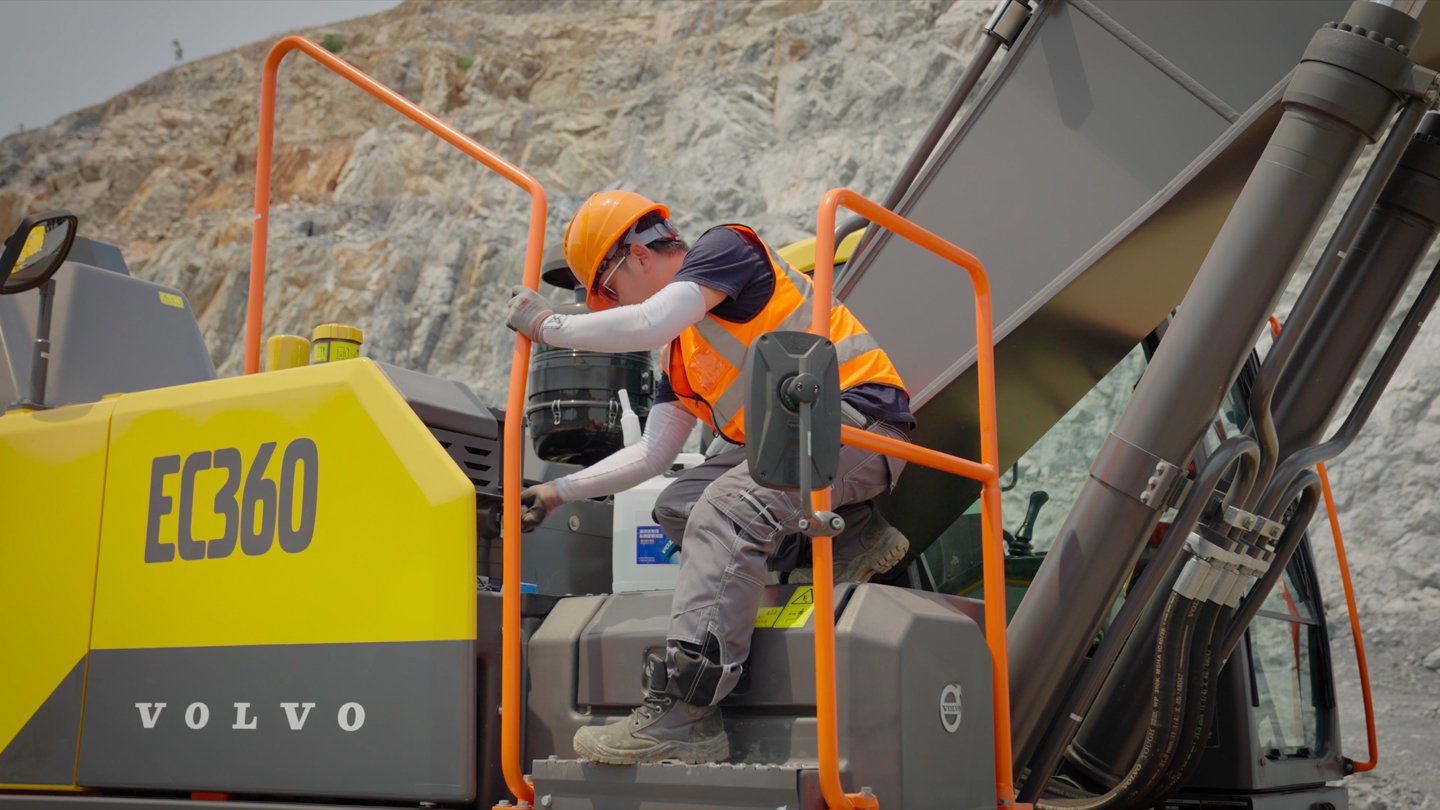
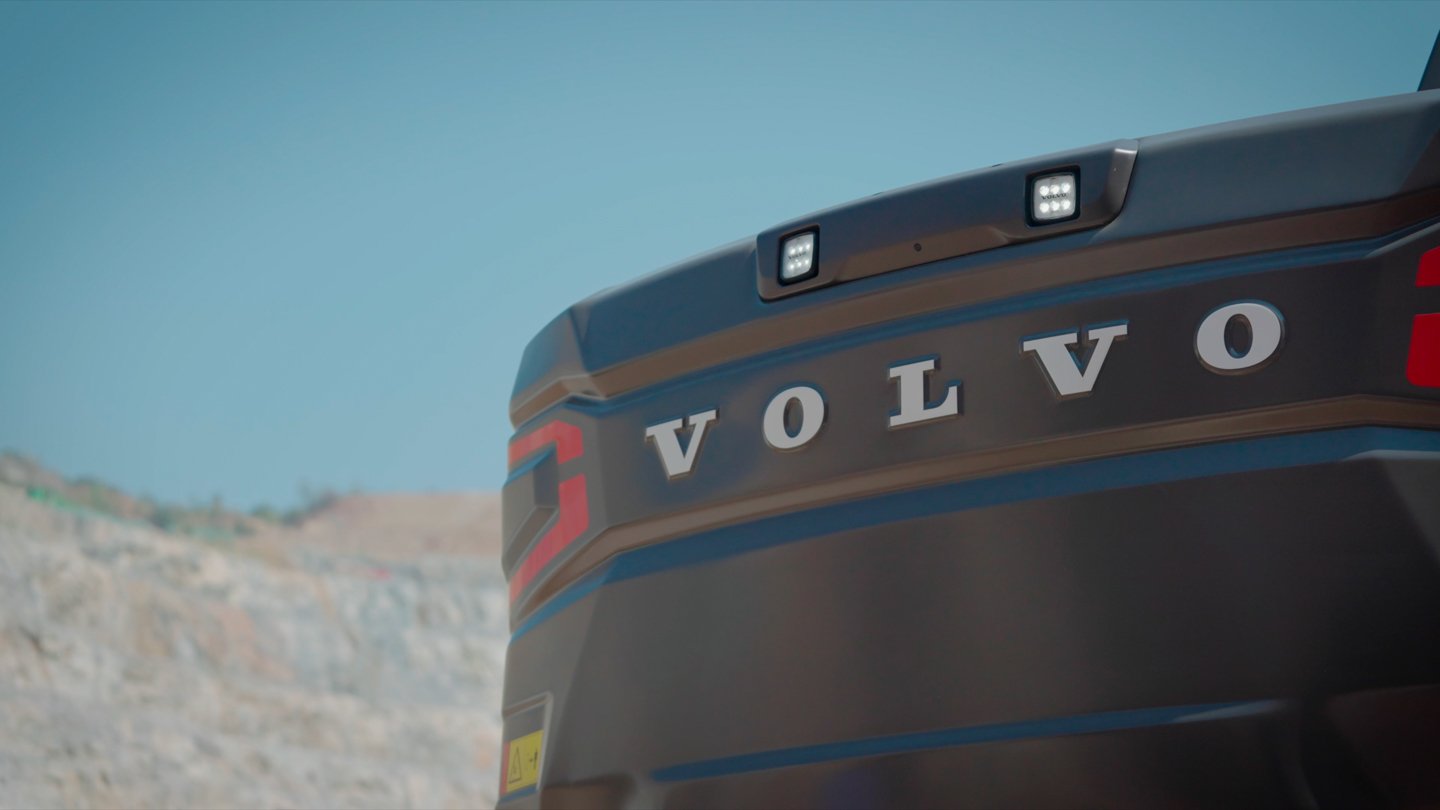
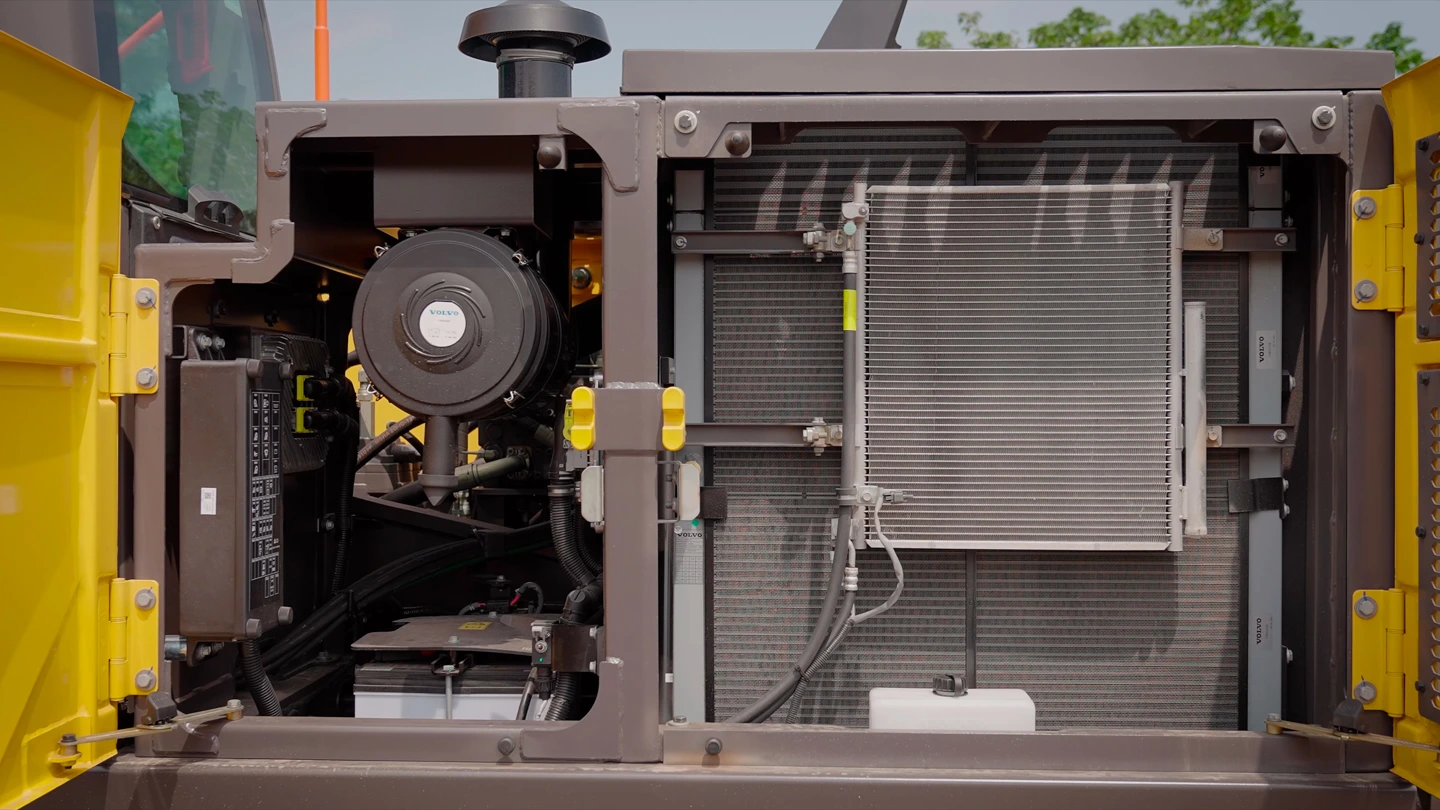
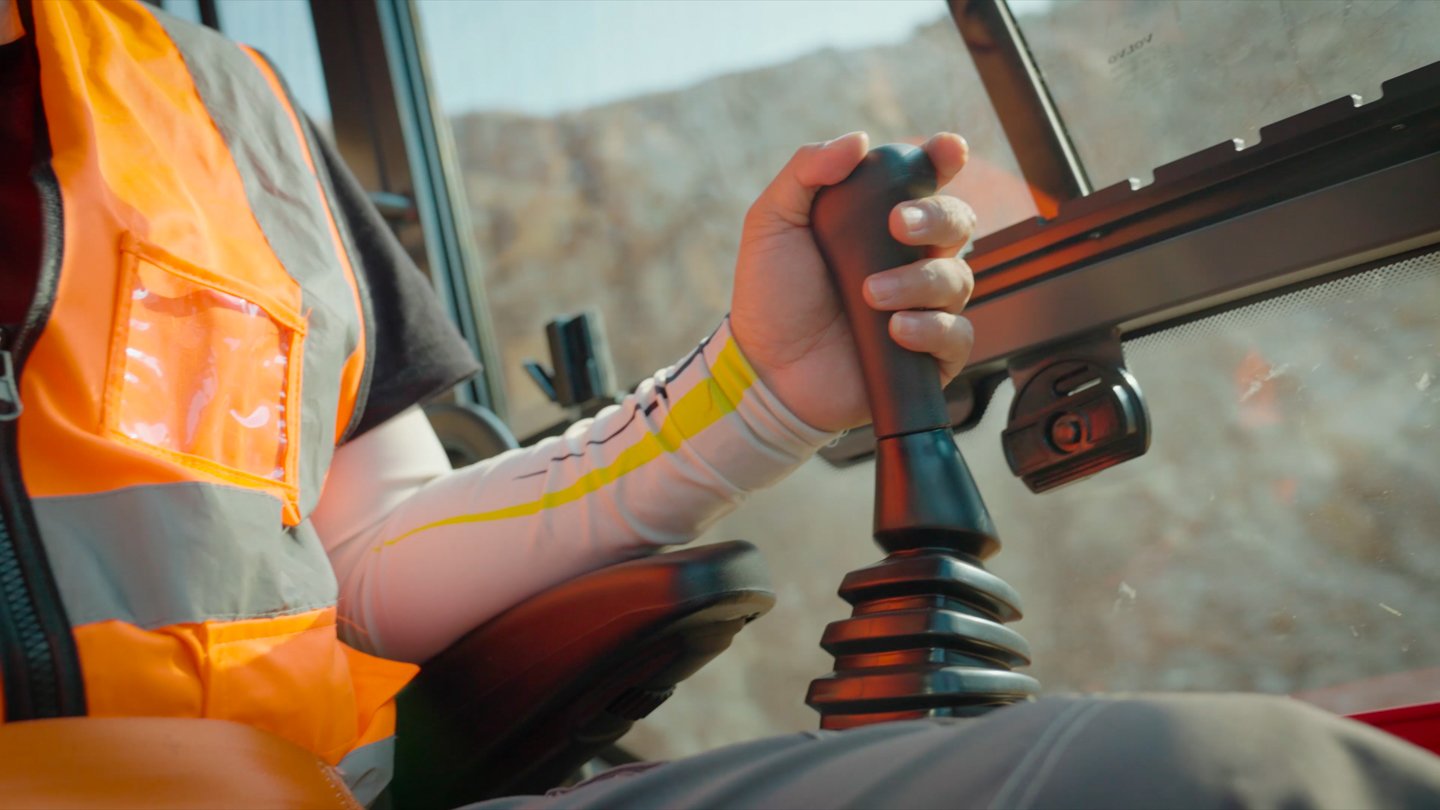
The coverage moved between engineered surfaces, operator controls and the scale of the excavator in the landscape.
That range gave the edit both industrial detail and a clear sense of place. In the approximately 74-second first cut, title graphics were kept from obscuring the EC360 background so the machine and quarry context remained legible.
Full-scale operation
Wide views established the excavator within the mine and preserved the scale of the working environment.
Engineered detail
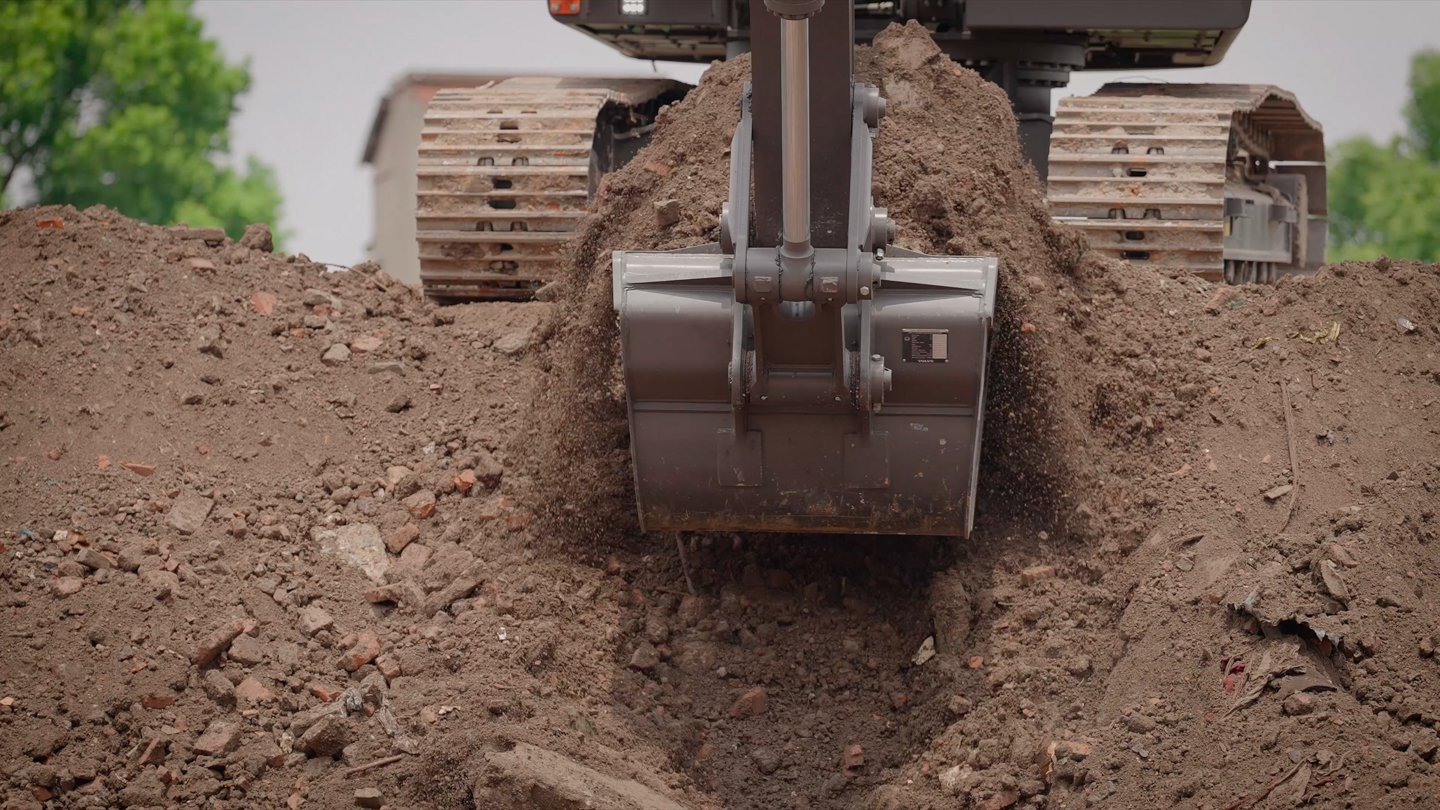
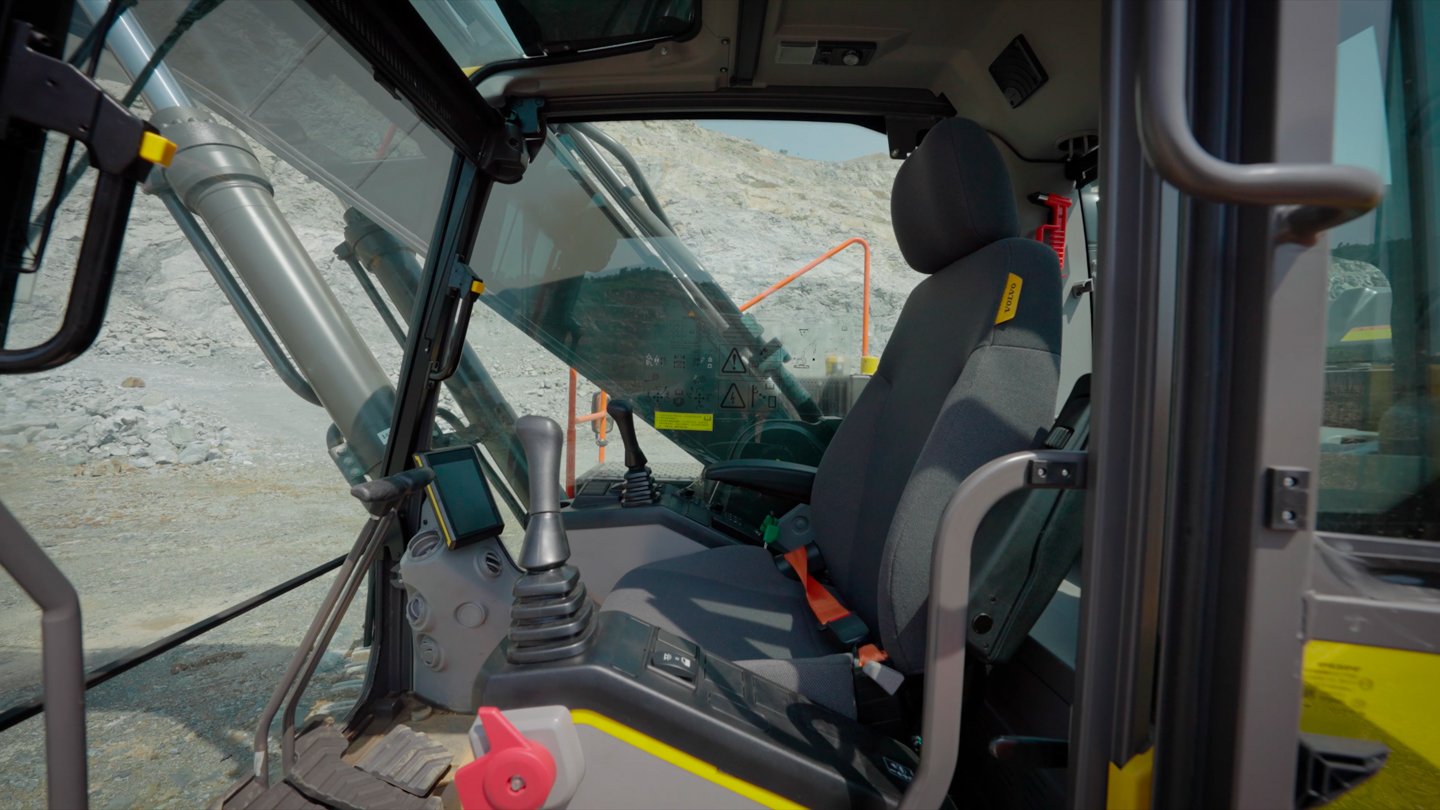
Exterior surfaces, cab details and operator controls gave the edit a closer industrial vocabulary.
Human coordination
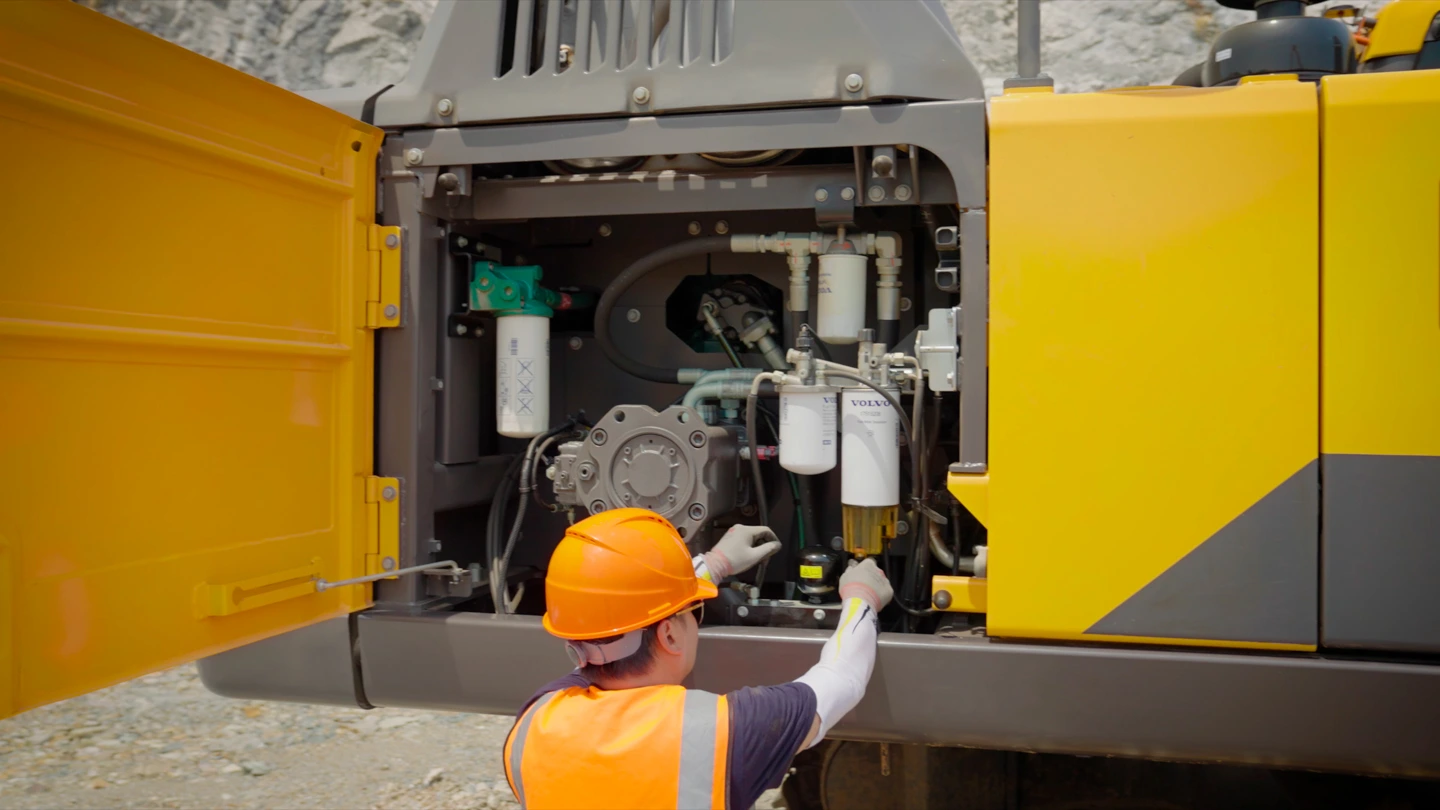
Inspection and operator collaboration connected machine movement to the practical production plan.
What overseas producers need to plan
Four practical considerations for agencies and production teams planning heavy-equipment filming across factories, test grounds, mines and other working locations in China.
Access and permissions
Confirm who controls each location, working area, machine and filming window before crew and equipment are committed.
Operator and machine time
Build the shot list around real availability, repeatable movement and coordination with operators.
Weather and crew welfare
Keep heat, rain, debris and recovery time inside the schedule rather than treating them as exceptions.
Coverage for the edit
Balance wide operating views, exterior engineering detail and cab-level material so every filming block has a defined editorial purpose.
Related production planning: video production coordination in China Shanghai production support Beijing production support industrial filming support in China