Shenzhen China
Technology film
Huawei The New Thing
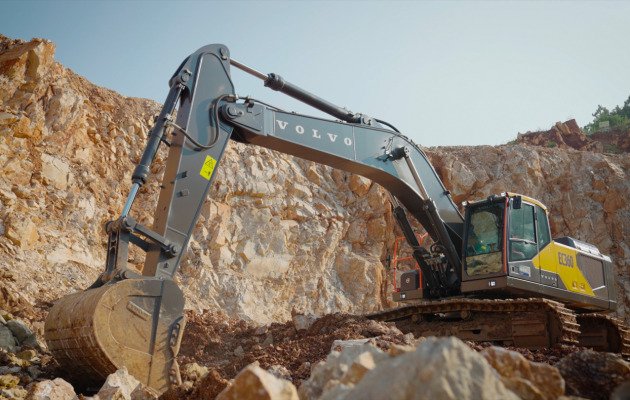
A brand film that moves from the precision of smartphone manufacturing to the people who use the finished device.
Alchemist Films handled the local production in Shenzhen, from crew and location coordination to equipment and on-set production management. The finished film brings its manufacturing sequences into a wider story of design, product detail and everyday life.
- Brand
- Huawei
- Project
- The New Thing
- Location
- Shenzhen, China
- Our role
- Full local production services
Manufacturing & testing
Inside the process
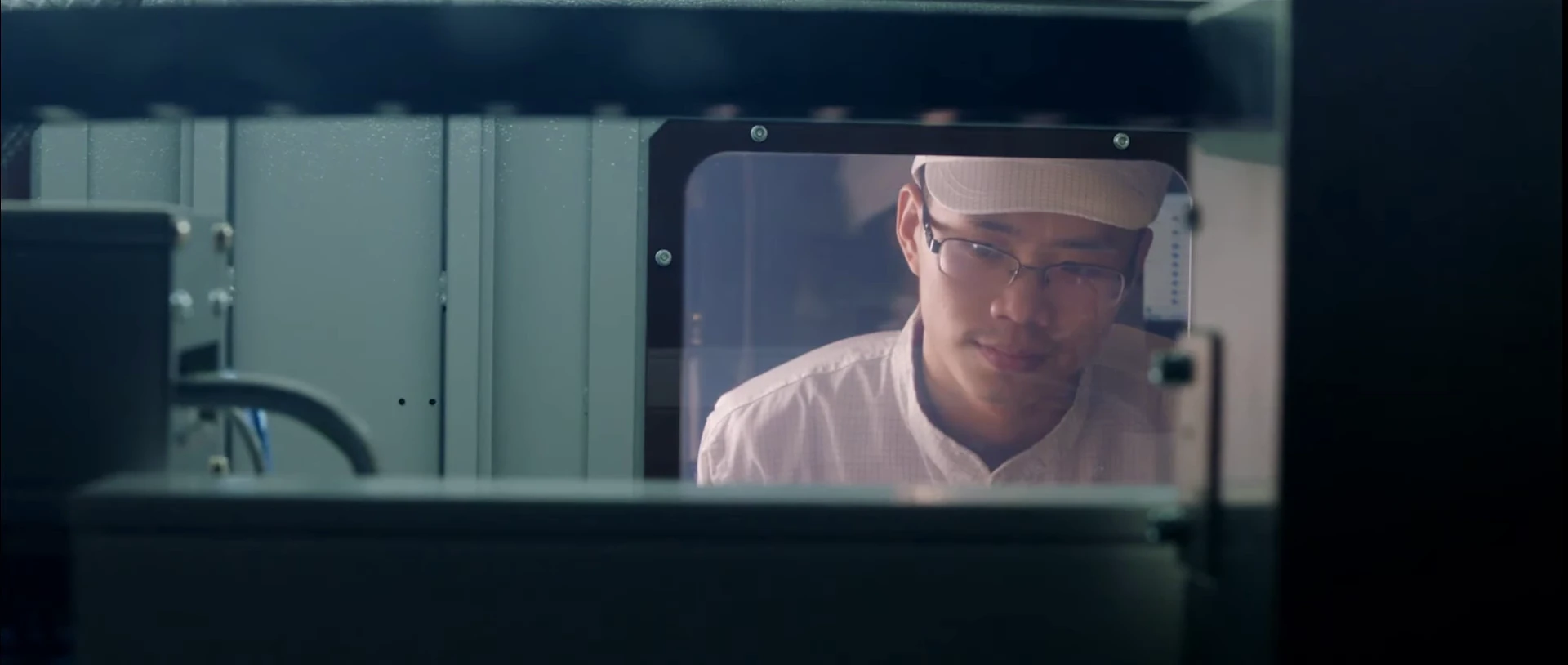
Automated inspection, screen tests and hands-on finishing reveal different stages of making a smartphone. The film pairs wide views of the production line with close detail of the components and people at work.
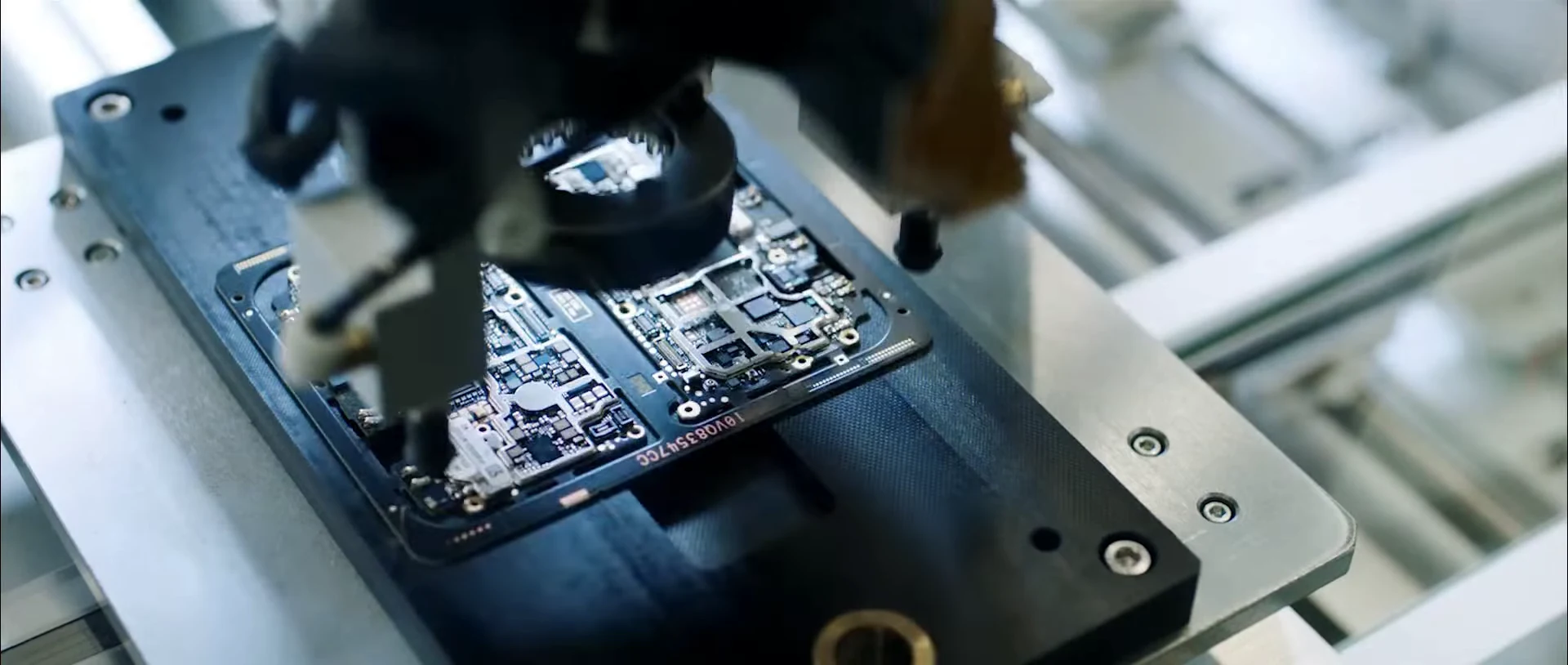
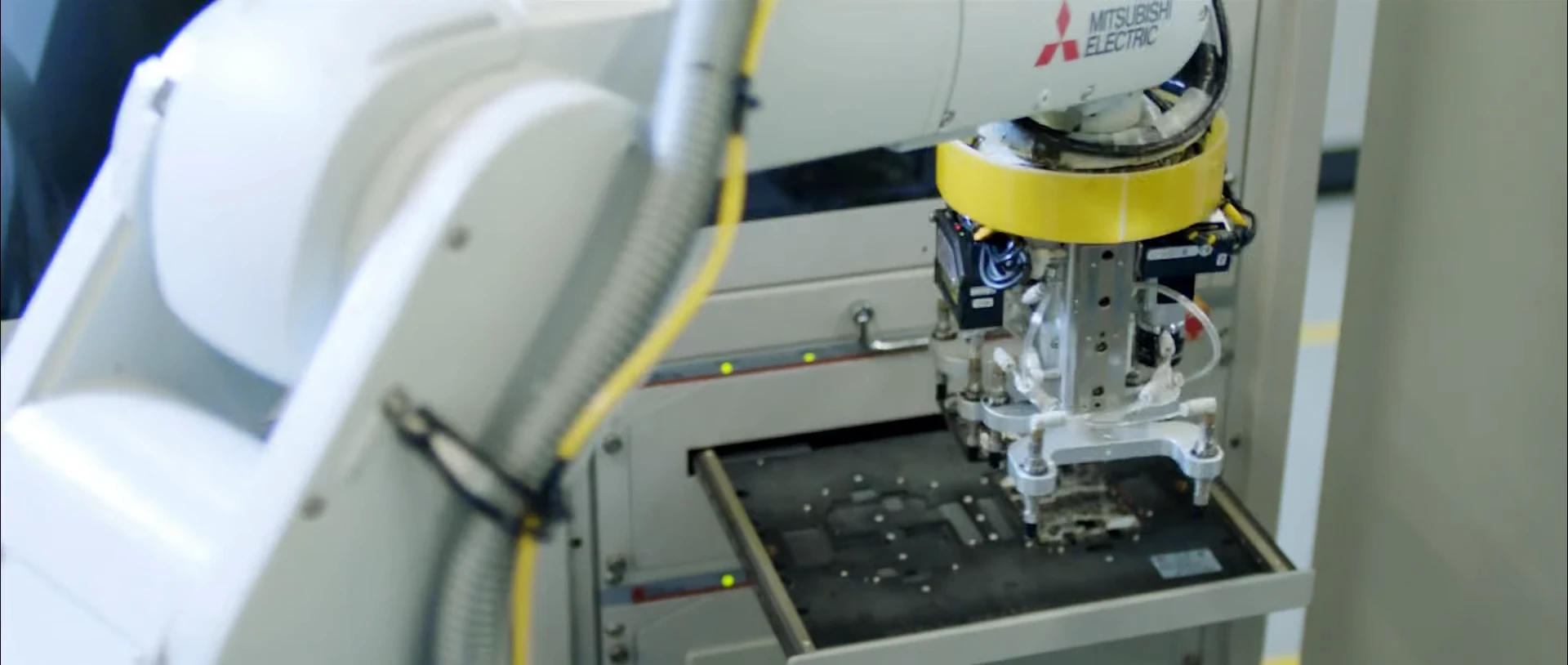
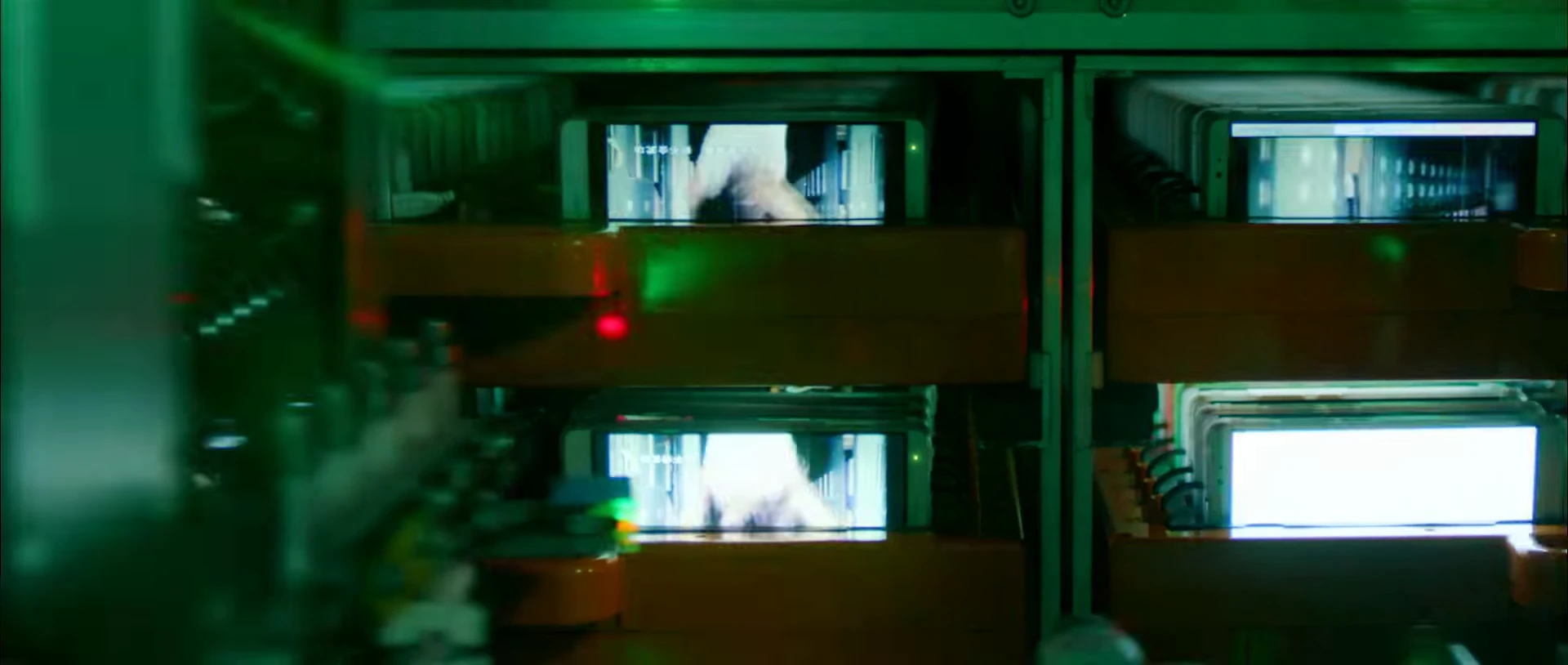
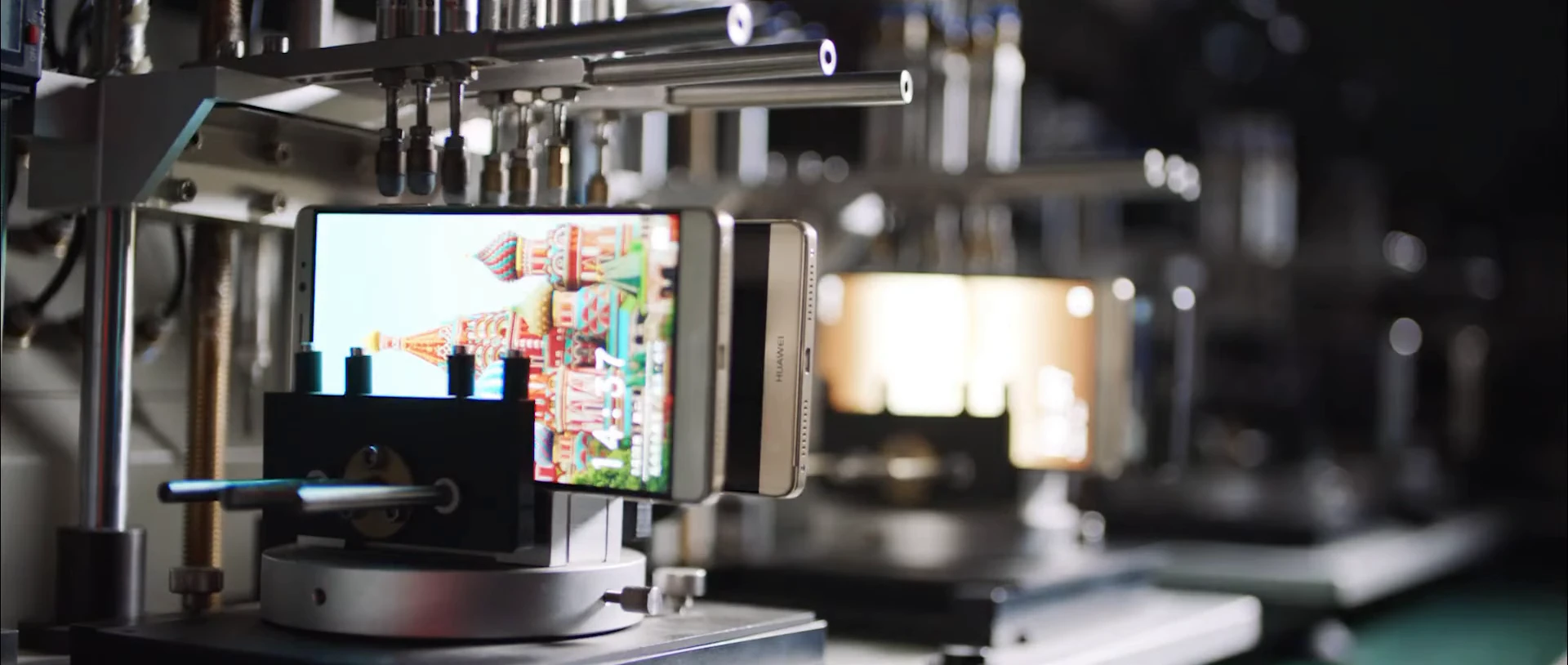
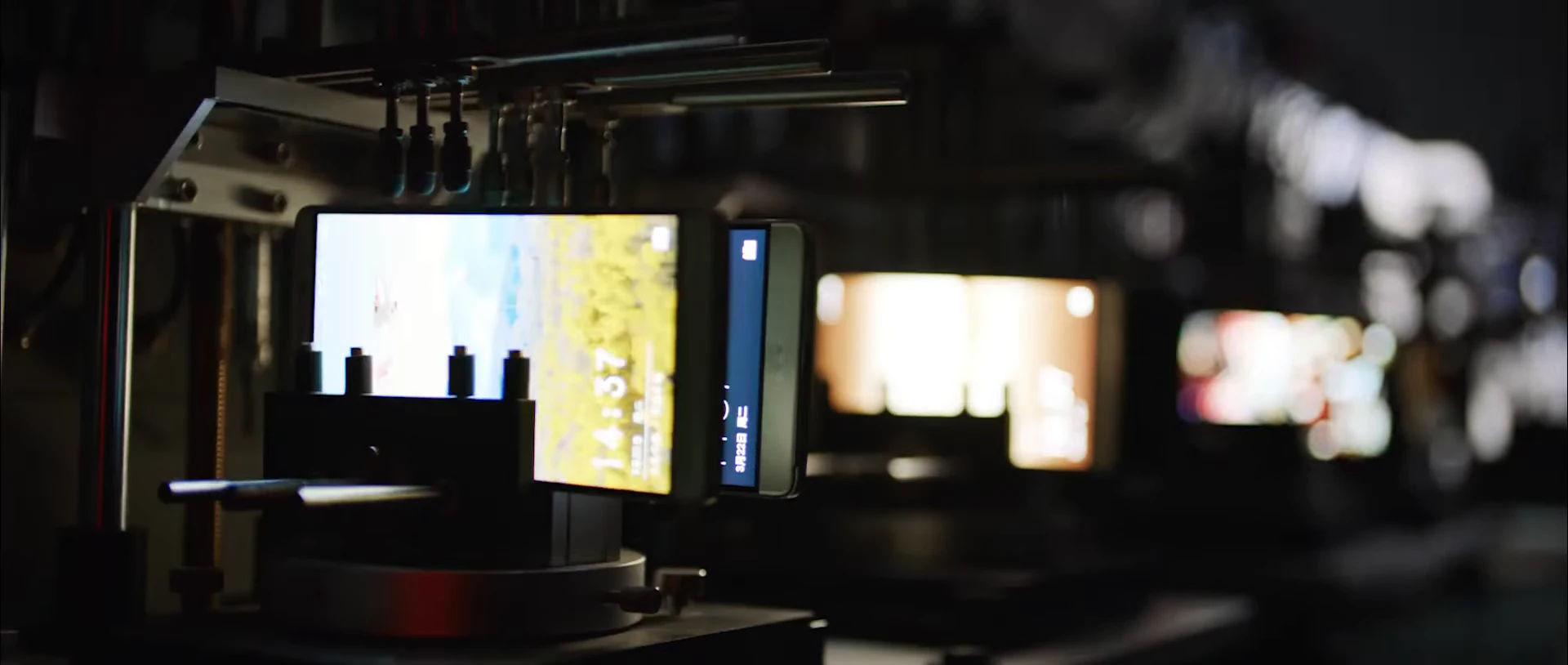
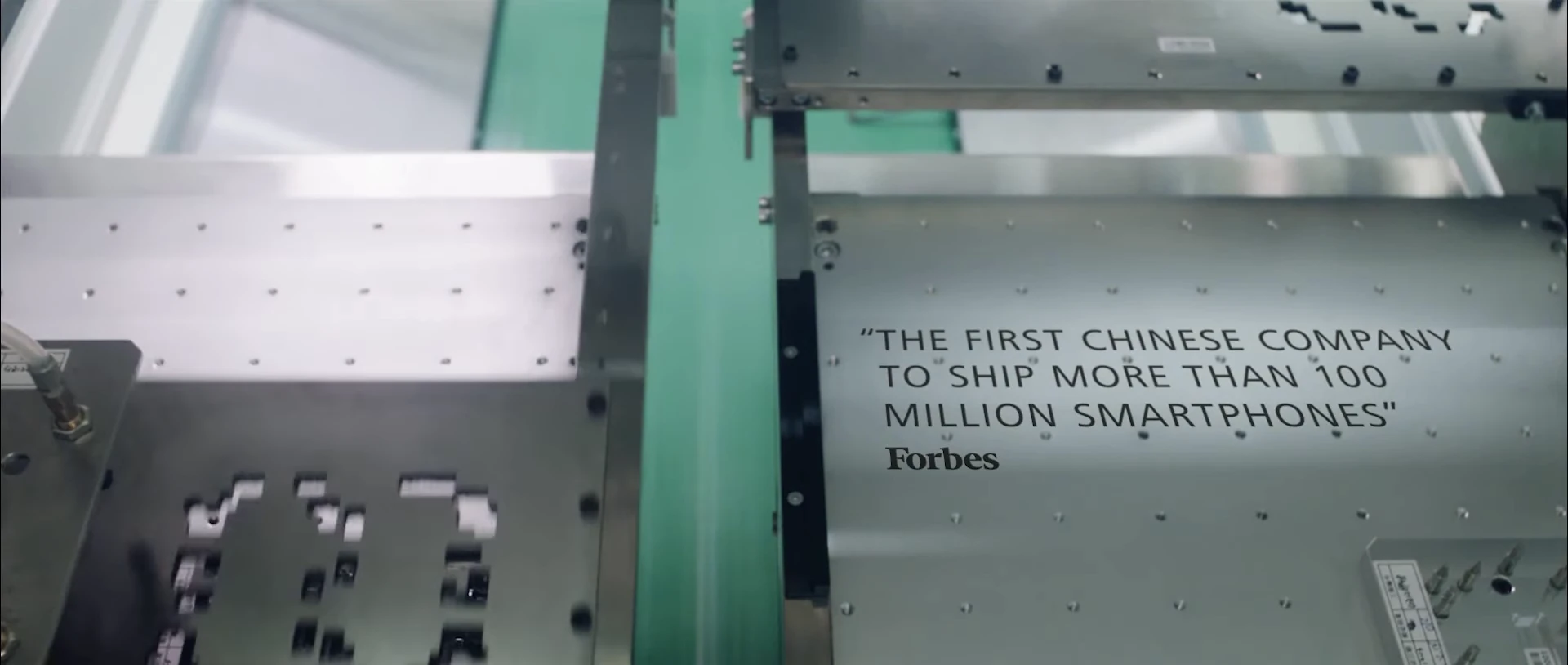
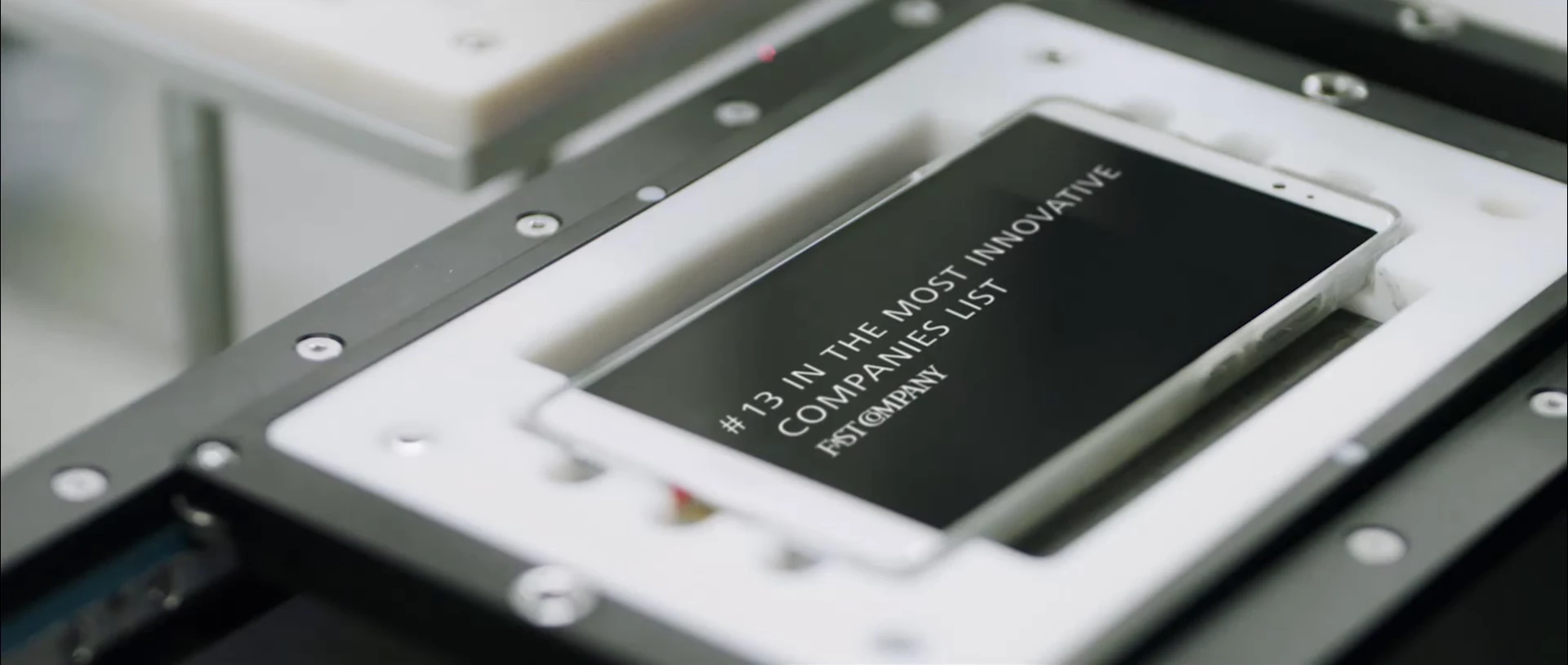
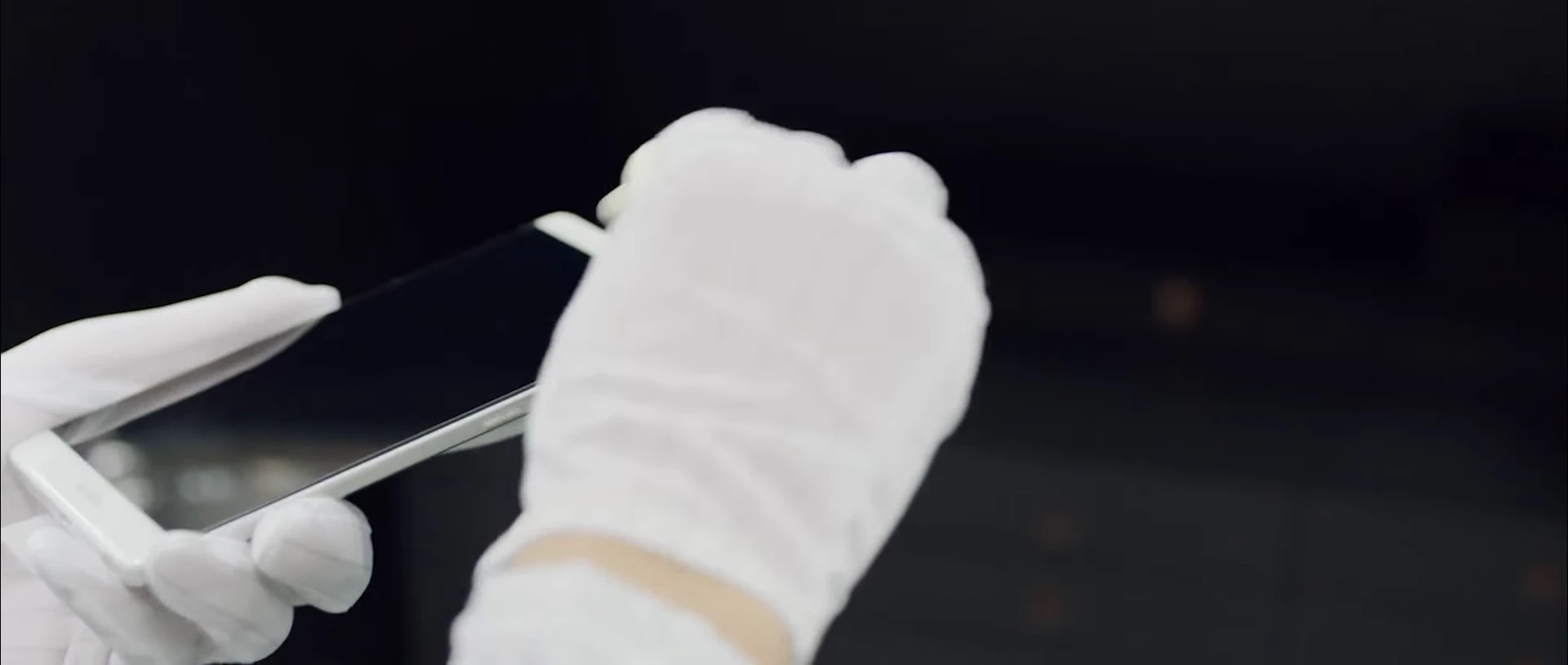
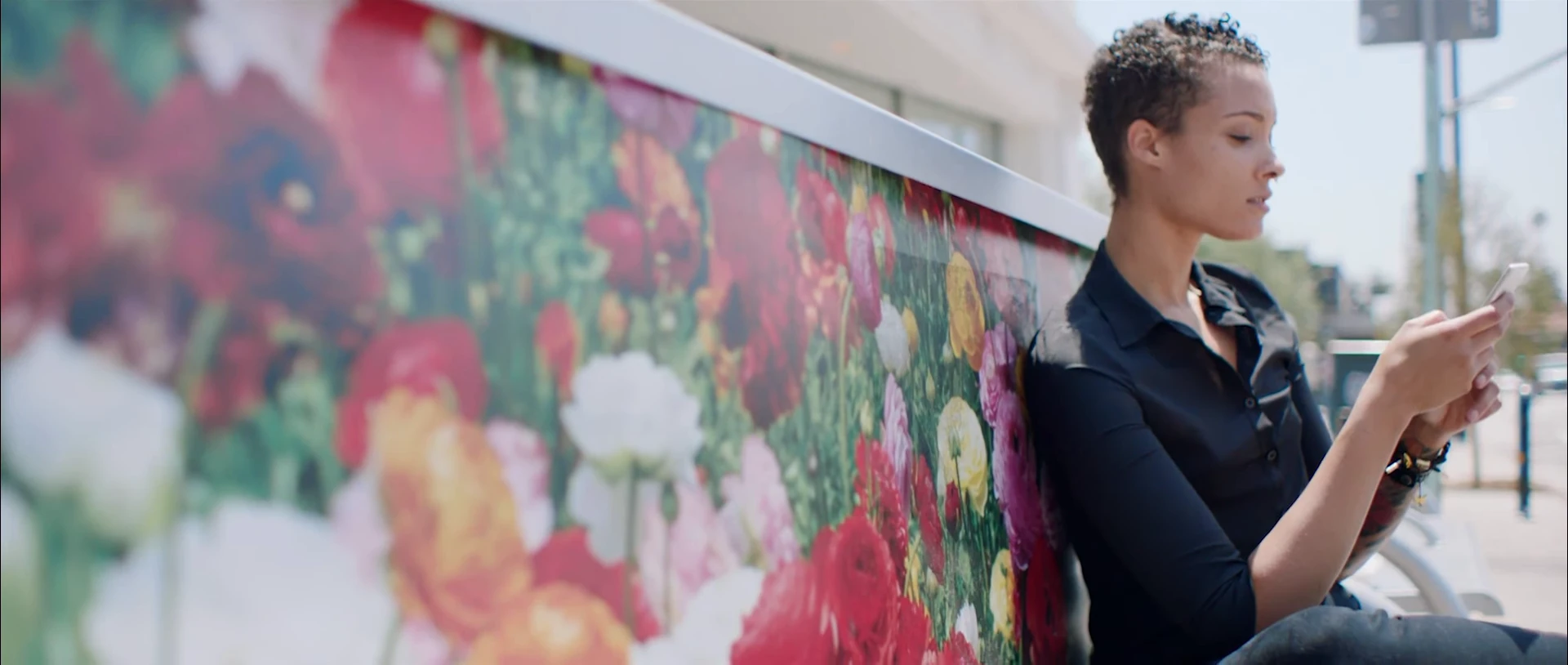
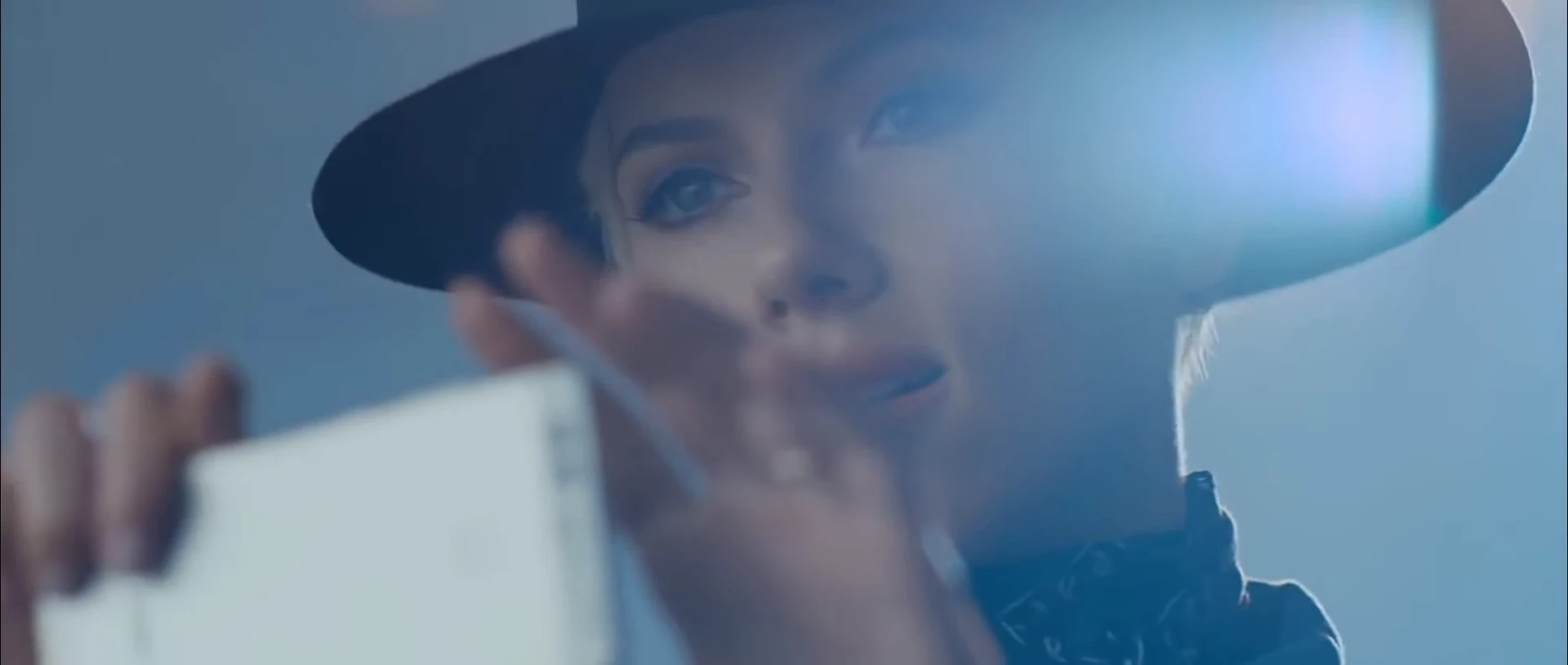
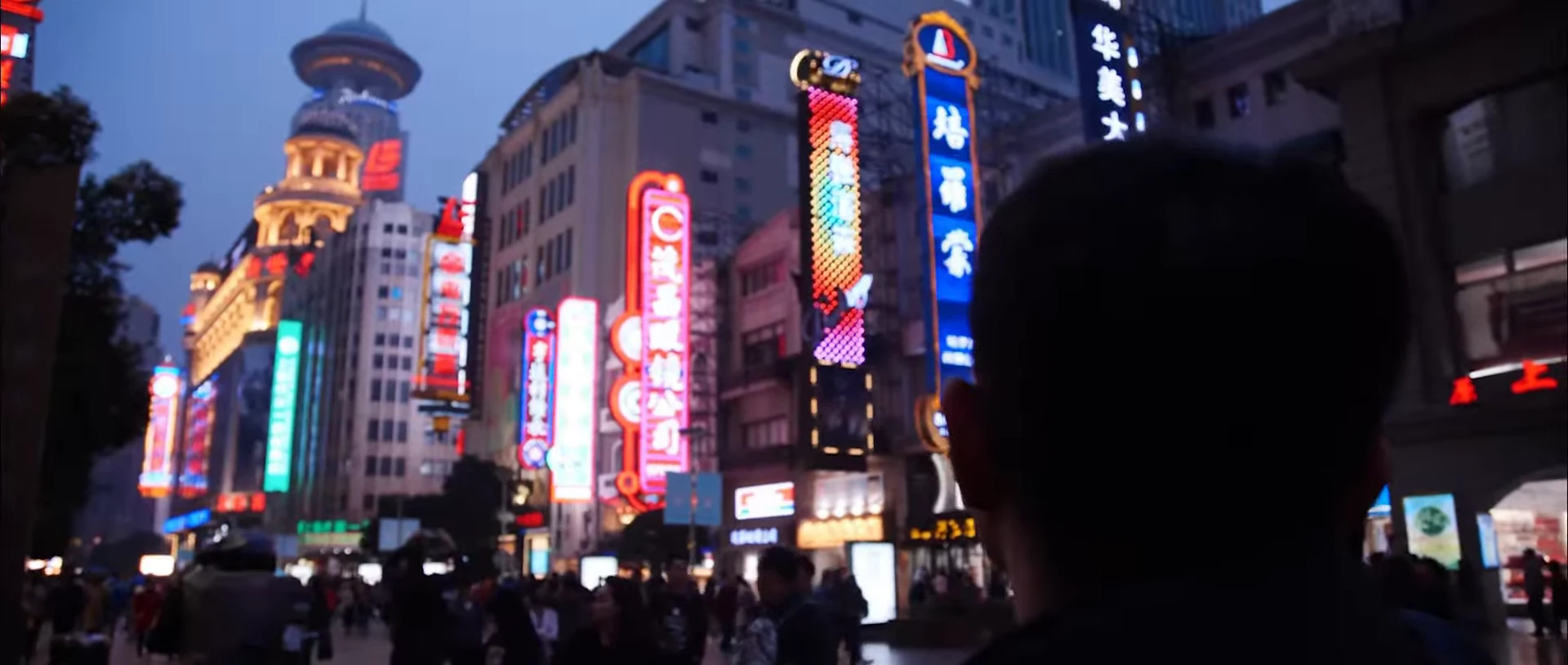
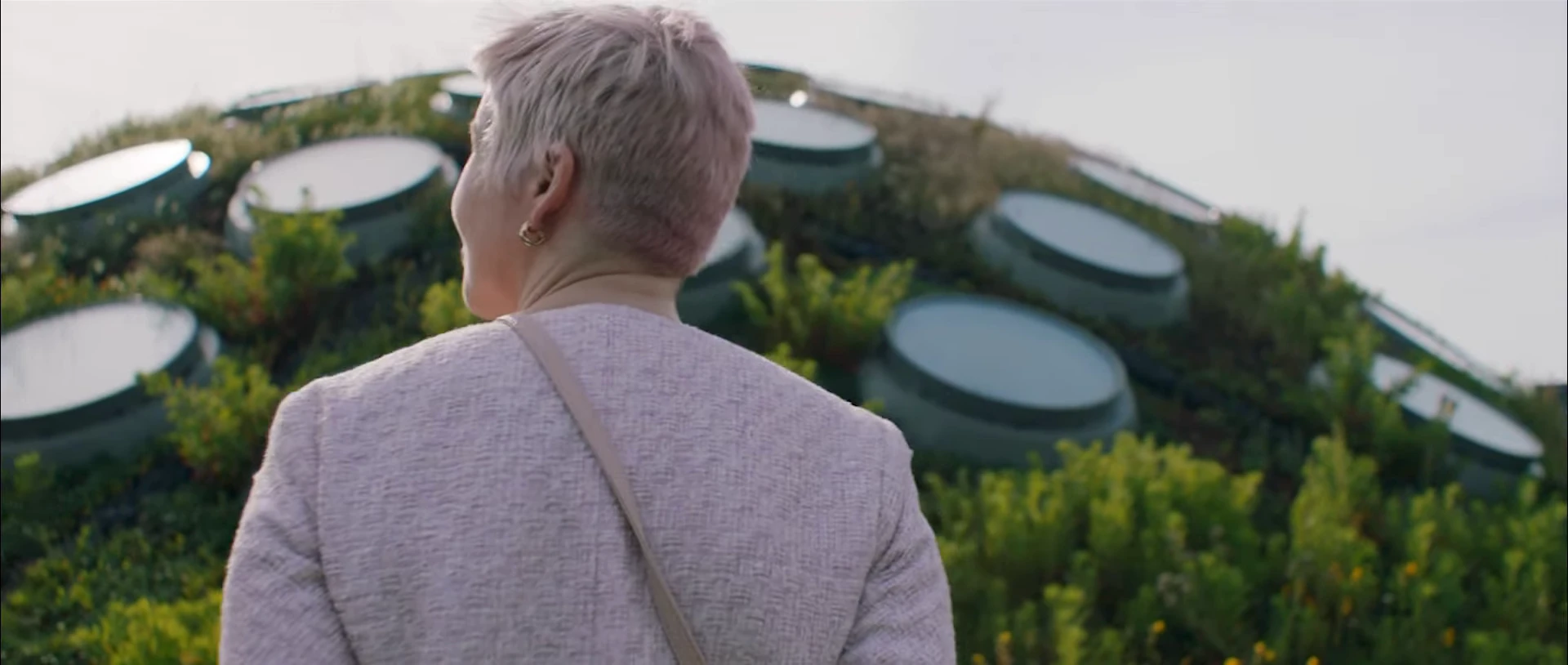
Selected frames from the brand film
From the device to everyday life
Product close-ups, portraits and city scenes carry the story beyond the factory. These selected frames connect the precision of the device with the people who hold it, the pictures they take and the places they move through.

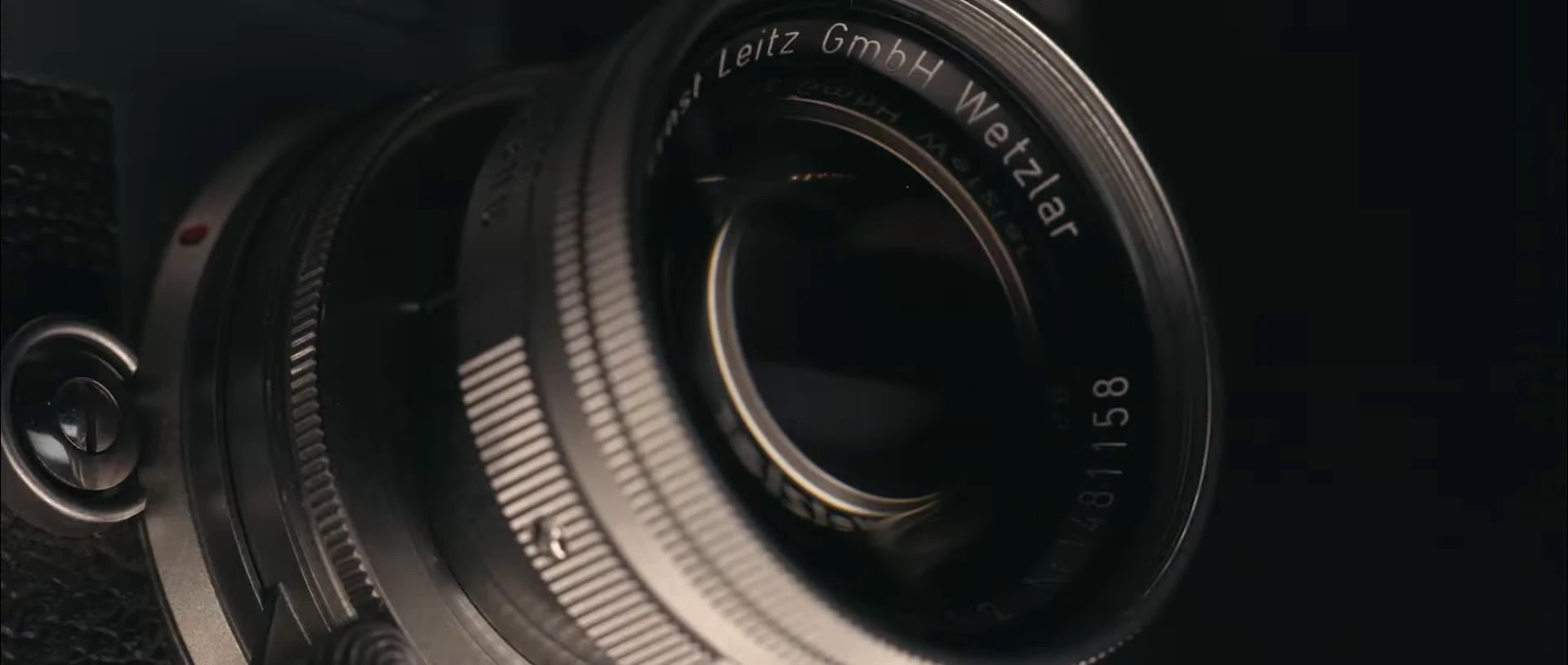
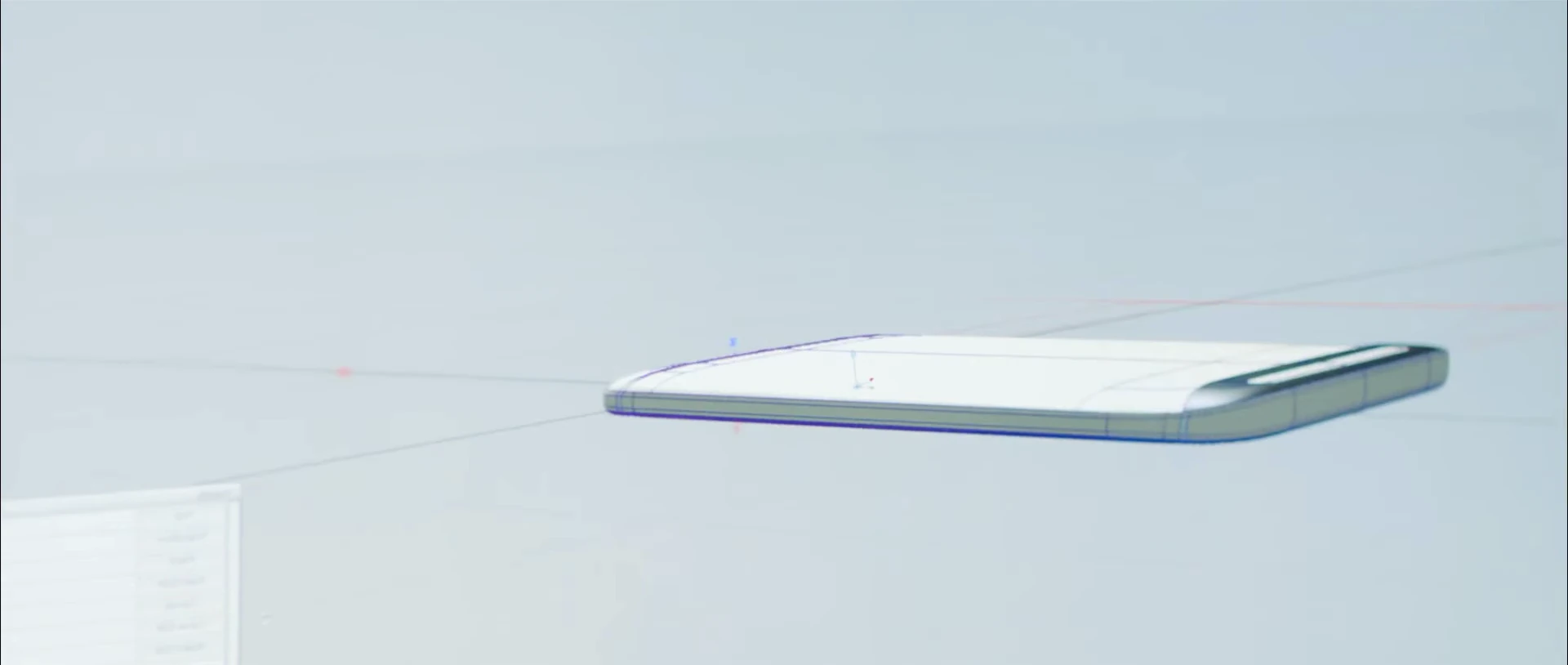


Planning a technology shoot in China
The useful details in a China filming brief are often very practical: the factory’s exact address, who will ask the interview questions, whether photography is also needed and how the overseas editor will receive the footage. These are recurring questions in our production planning with international teams.
Start with exact site addresses
A province name is not enough to plan a factory shoot. Send the city, full site address and a contact at each location so we can map crew travel and the filming order. For a shoot spanning several cities, separate travel, scouting and filming days in the schedule. This makes the hotel nights, transport and crew commitments clear before bookings are made.
Fit the shoot around the working factory
Build a run sheet around the processes that will actually be operating and the people available to appear on camera. Share the B-roll shot list and visual references with the site team in advance. Include practical breaks: if filming continues after the factory canteen closes, crew meals need a separate arrangement. Access windows and meal times both belong in the production schedule.
Brief the person asking the questions
If the director is overseas, confirm whether the bilingual producer will also conduct the off-camera interview in English or Mandarin. That role needs more preparation than interpreting on set. Send the questions, intended story, technical terms and key points to cover in advance, and agree who can ask follow-up questions. The interview brief should sit alongside the day’s run sheet and B-roll list.
Give photography its own brief
Factory B-roll and a set of finished photographs are separate deliverables. If you need both, specify the number of selected images, the subjects, visual references and any retouching expected. We can then discuss whether one operator can cover them within the available time or whether a dedicated photographer is needed. Avoid leaving the stills requirement until the camera schedule is already full.
Plan crew and transport together
Tell us which director, camera and production roles are travelling with you and which need to be hired locally. The crew list and equipment package determine the vehicle space, hotel rooms and call times. Short moves between a factory and another nearby site can use a different transport plan from a long intercity journey. Confirm those legs separately, including where the local crew starts and finishes.
Agree how the editor receives the footage
For an edit managed overseas, clarify whether the handoff needs camera originals, lightweight proxy files, photographs or translated interview notes, and when each is due. Agree the recording format, folder structure and backup responsibilities with the editor. Choose a transfer system the client can approve and test the recipient’s access early; an expired link or inaccessible upload service can hold up an otherwise straightforward handoff.
Tell us what needs to happen on the ground
Send the site addresses, preferred dates, treatment or references, process shot list, interview languages and travelling crew. Include any photography brief, the editor’s delivery requirements and a budget range if available. We can use these details to discuss crew, equipment, travel and a workable schedule for your China shoot.
Related production planning: Production coordination in China Film equipment in China Discuss your China shoot