Inner Mongolia Beijing
Corporate film
PepsiCo China
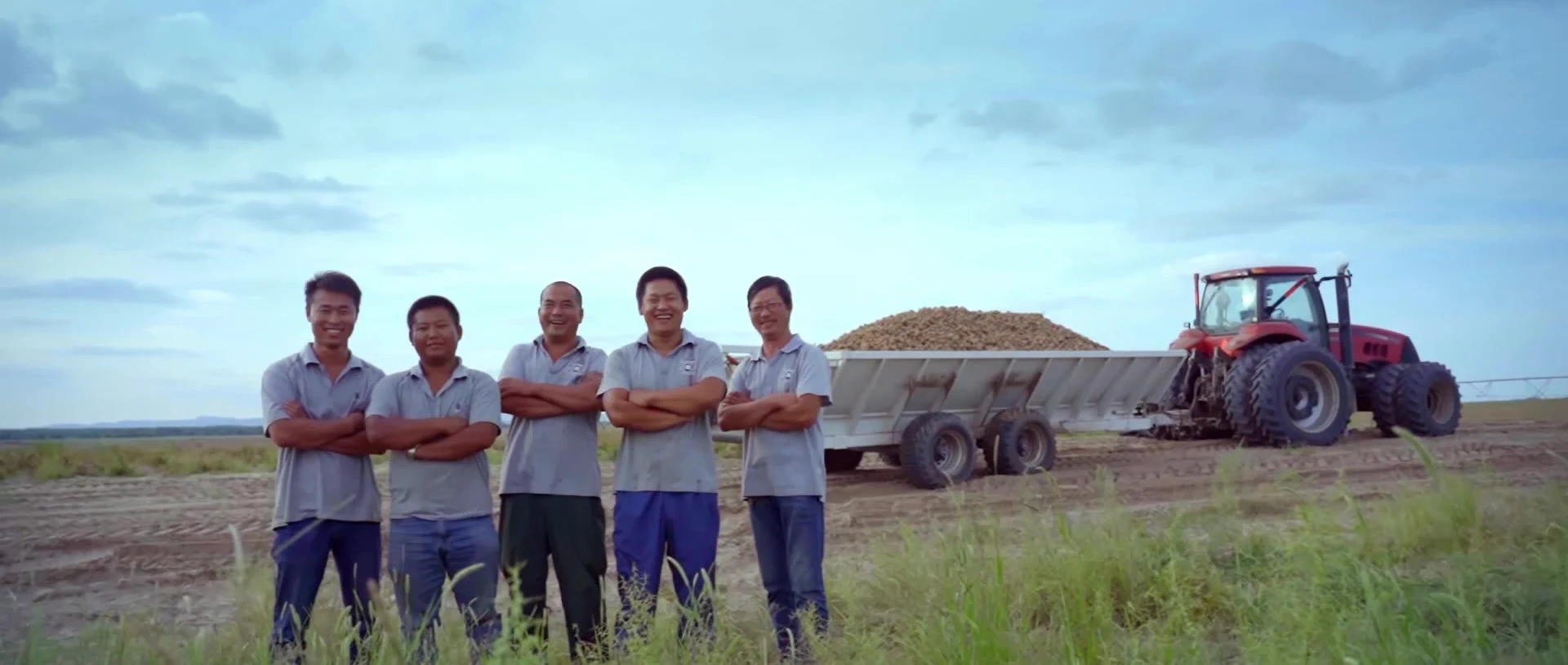
A corporate film connecting the fields, factories and people behind PepsiCo’s China operations.
Alchemist Films assembled the local crew and supported the visiting director and cinematographer, from farm and factory filming in Inner Mongolia to employee interviews in Beijing.
- Brand
- PepsiCo
- Locations
- Inner Mongolia / Beijing
- Our role
- Local crew and production support
- Scope
- Farm and factory filming / Employee interviews
On location
From the fields to the factory floor
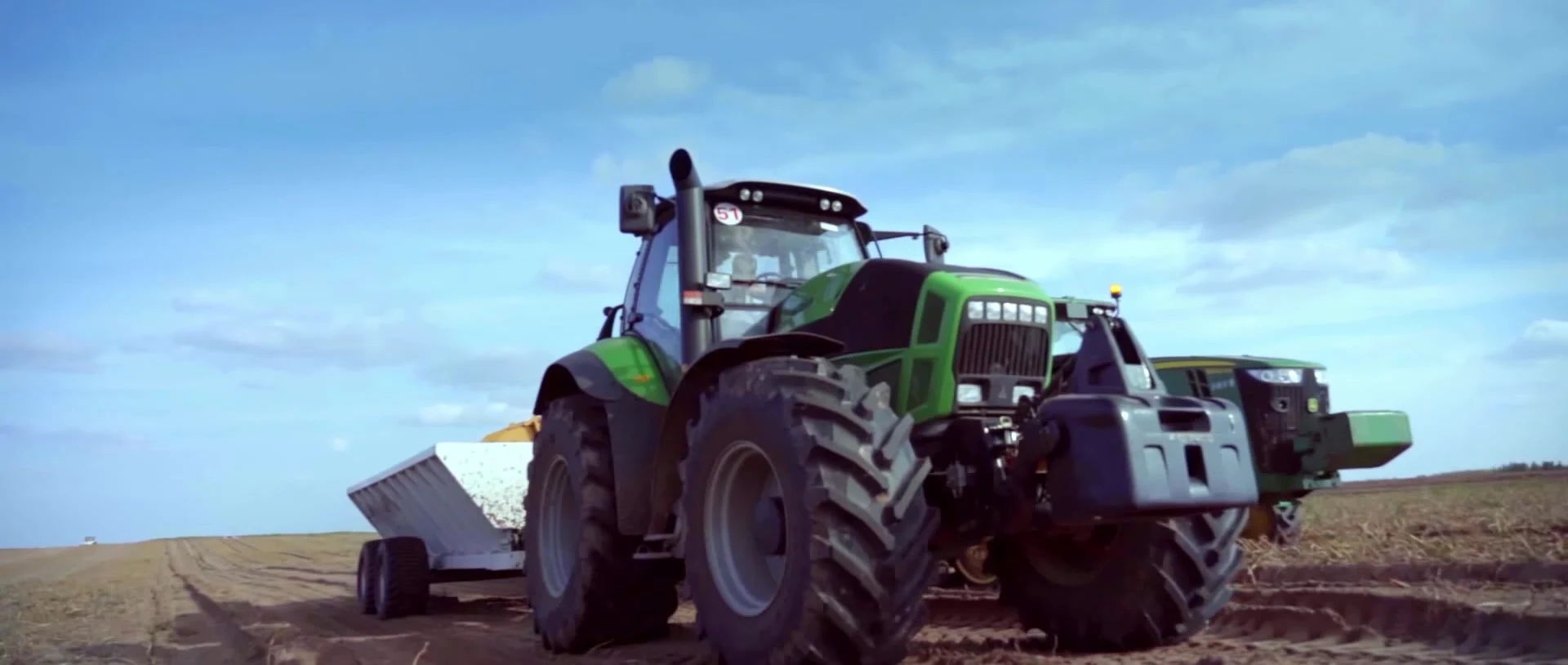
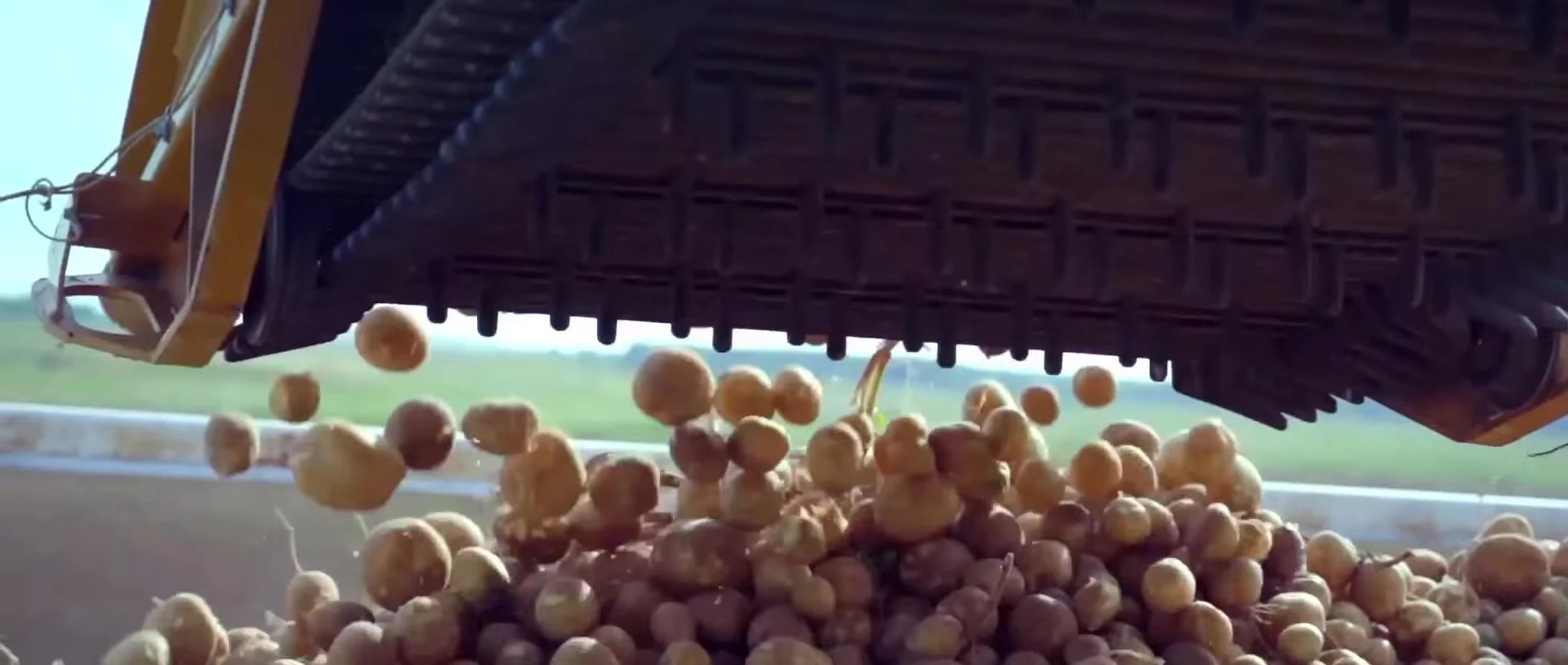
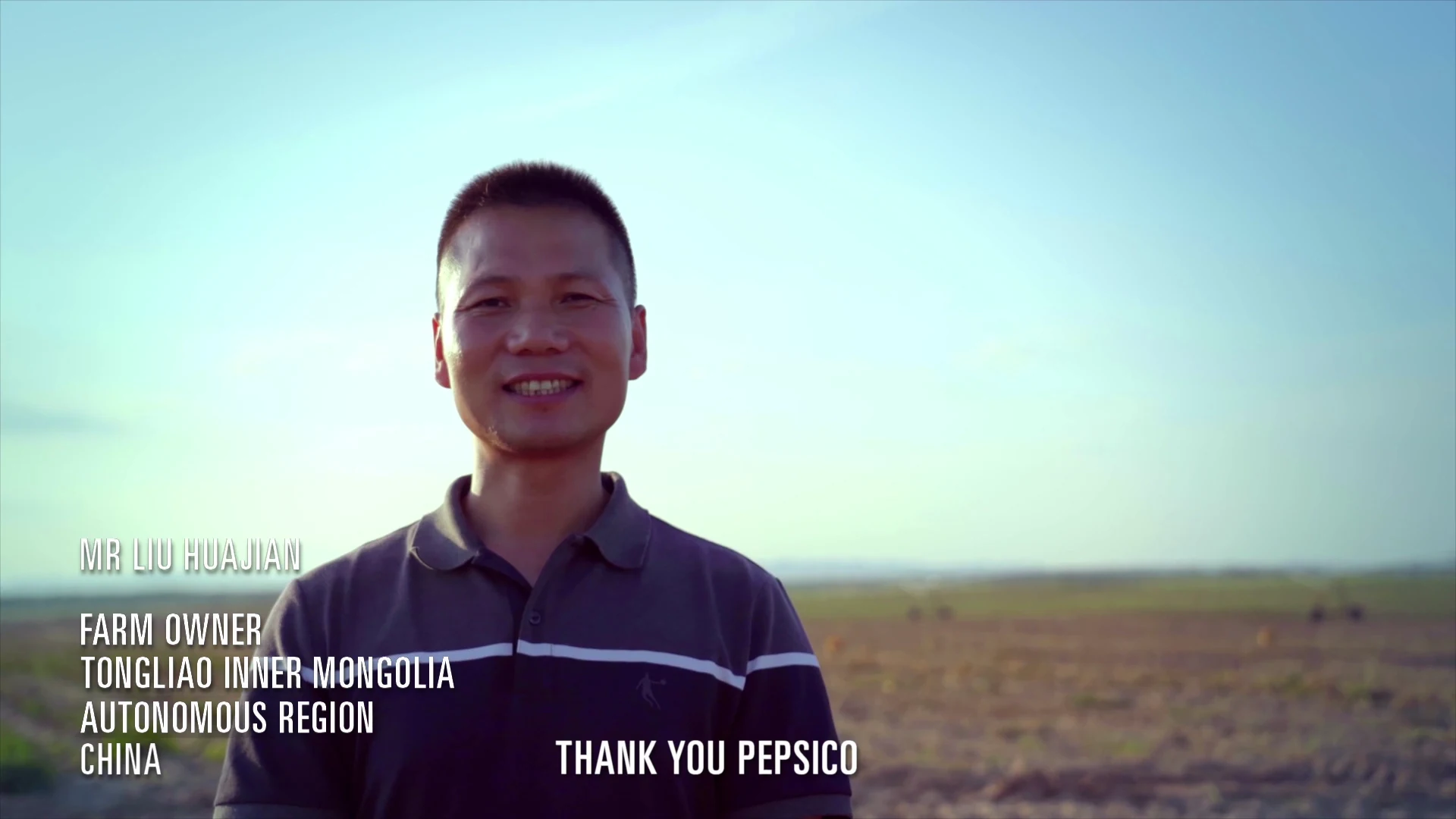
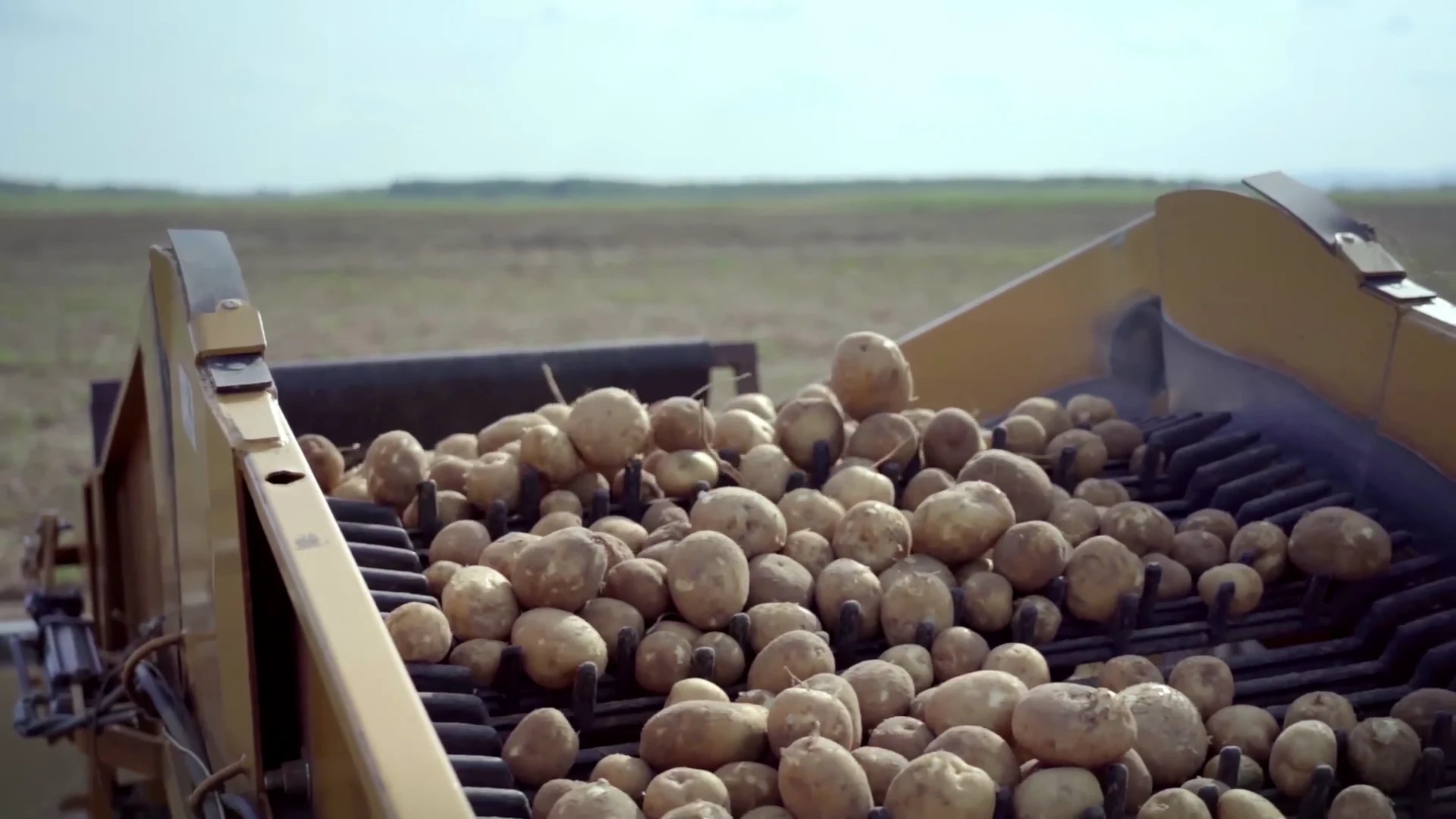
The shoot followed potato harvesting in Inner Mongolia before moving into food and beverage production. These farm scenes bring together the people, machinery and raw ingredients at the start of the story.
Factory filming
Inside the production lines
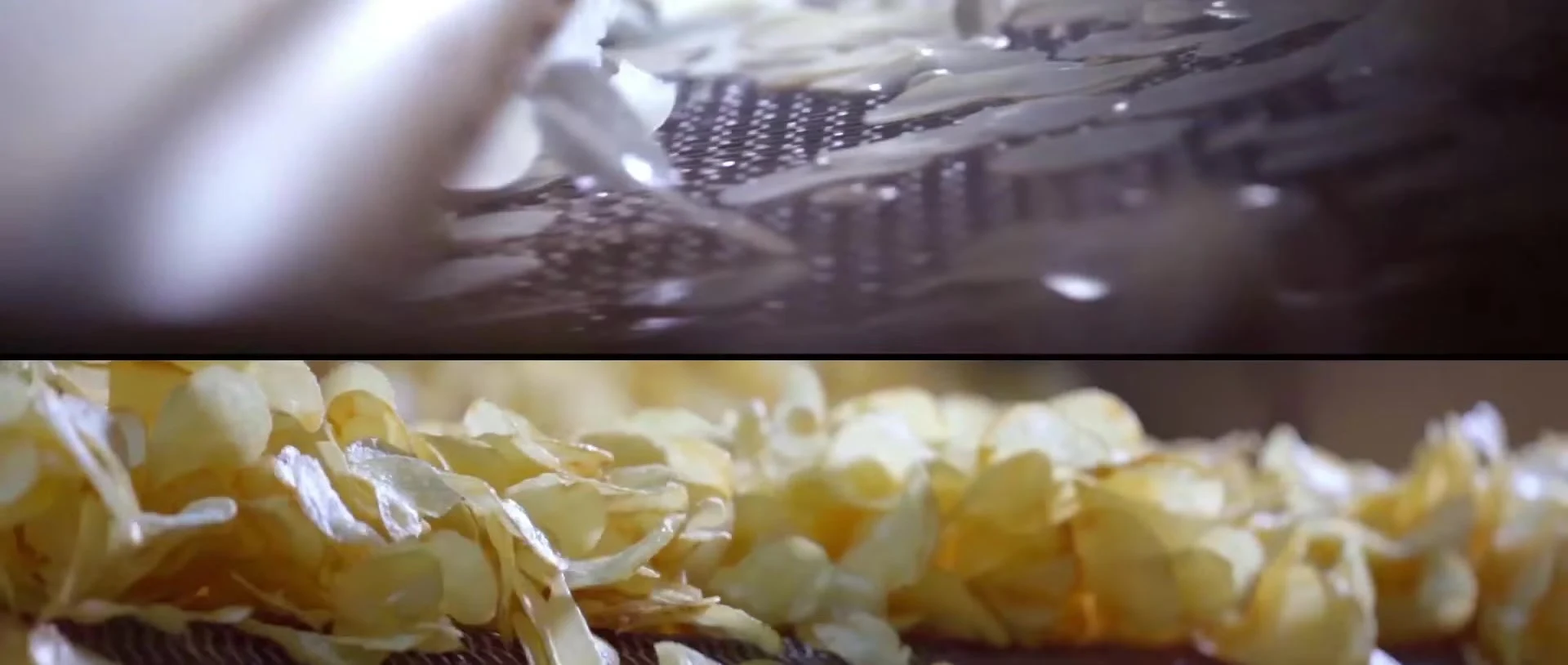
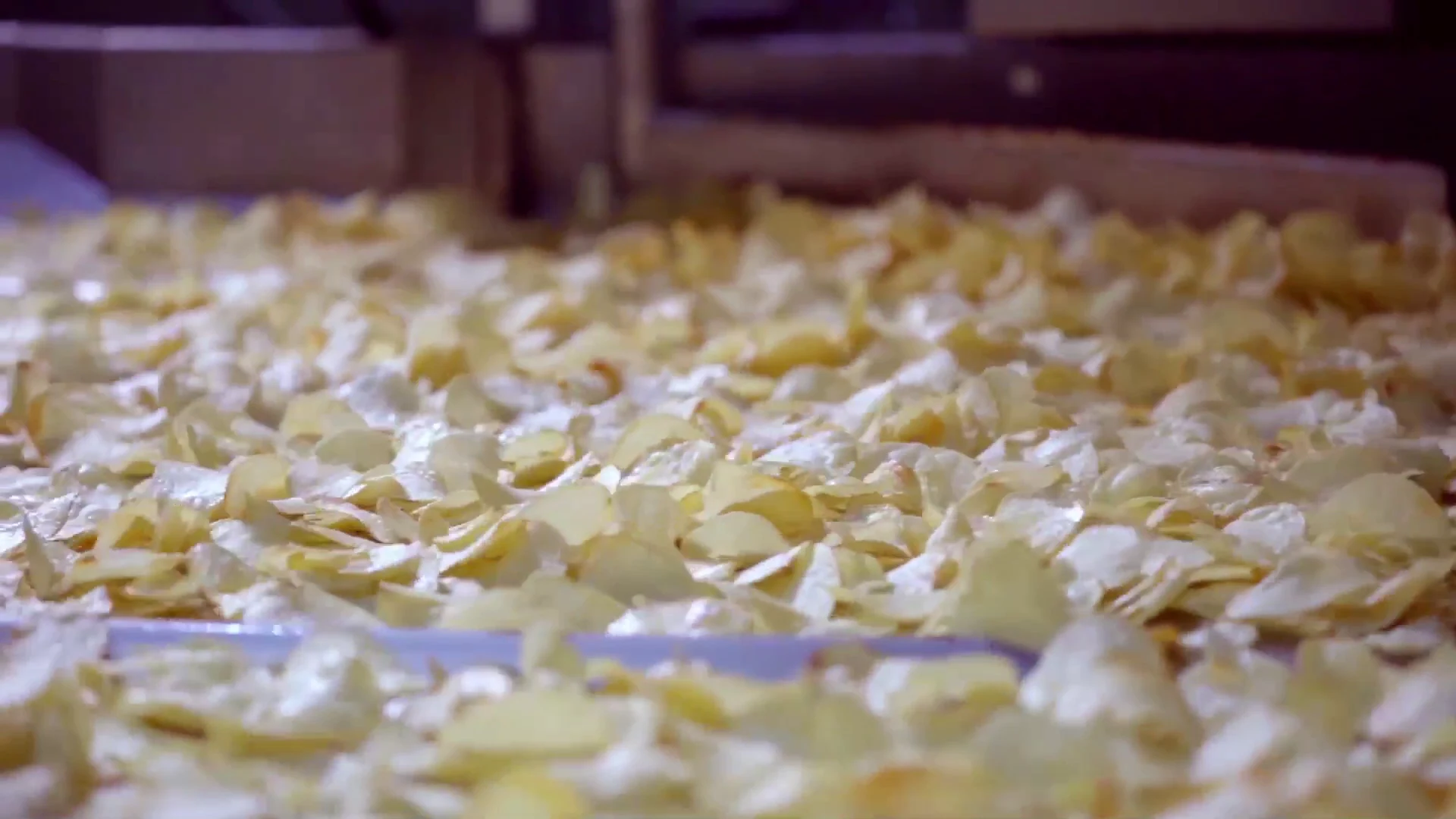
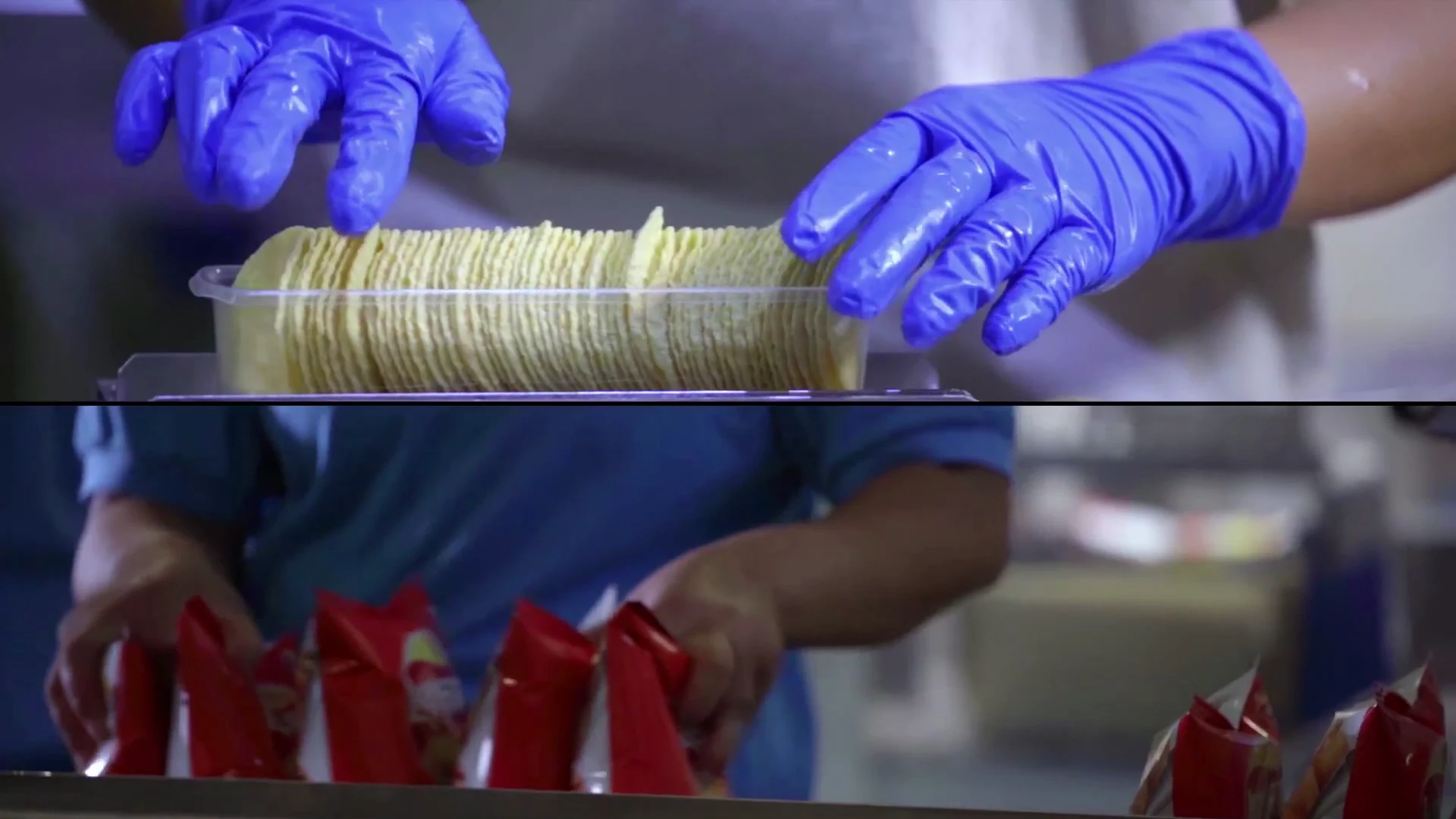
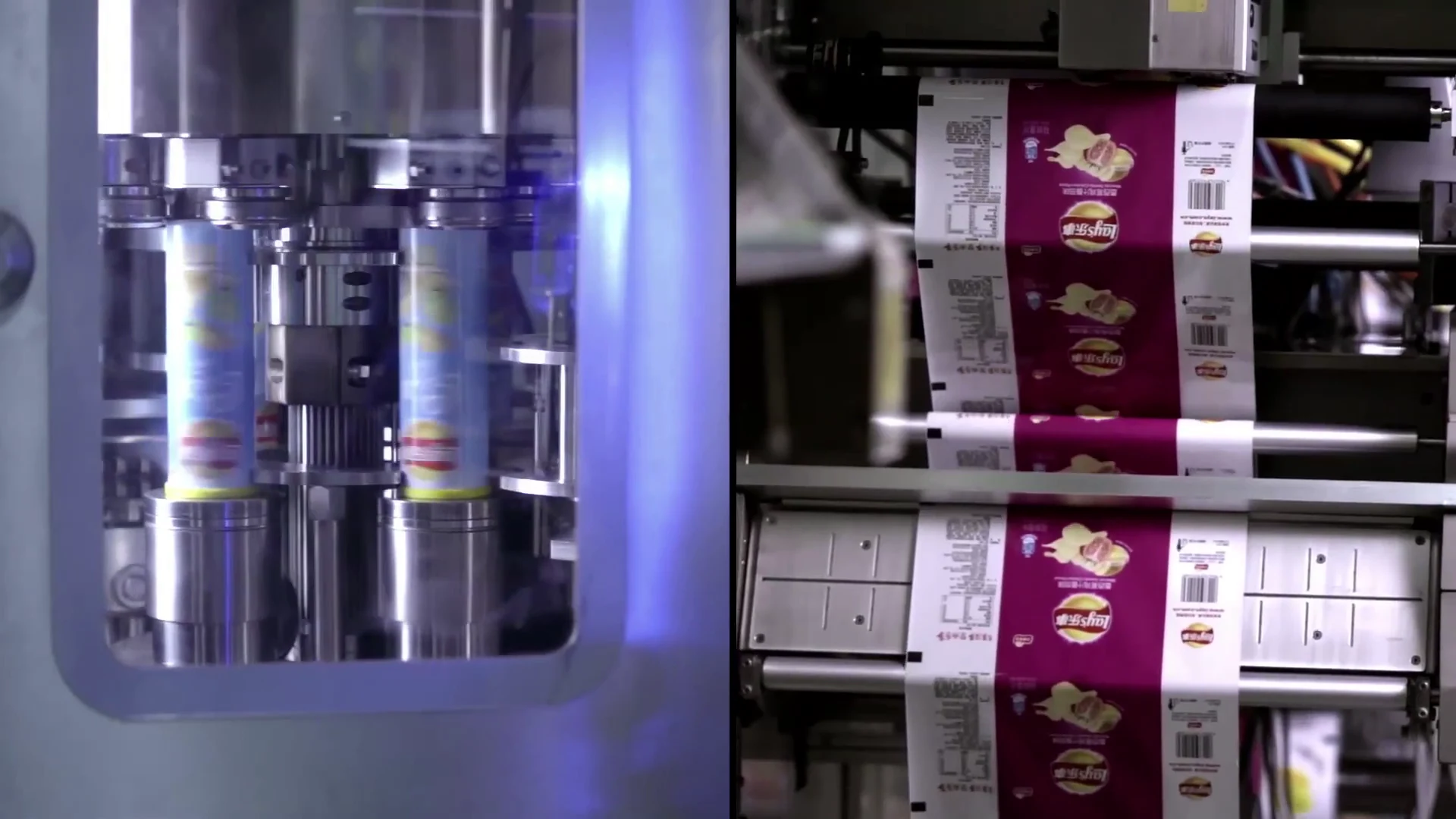
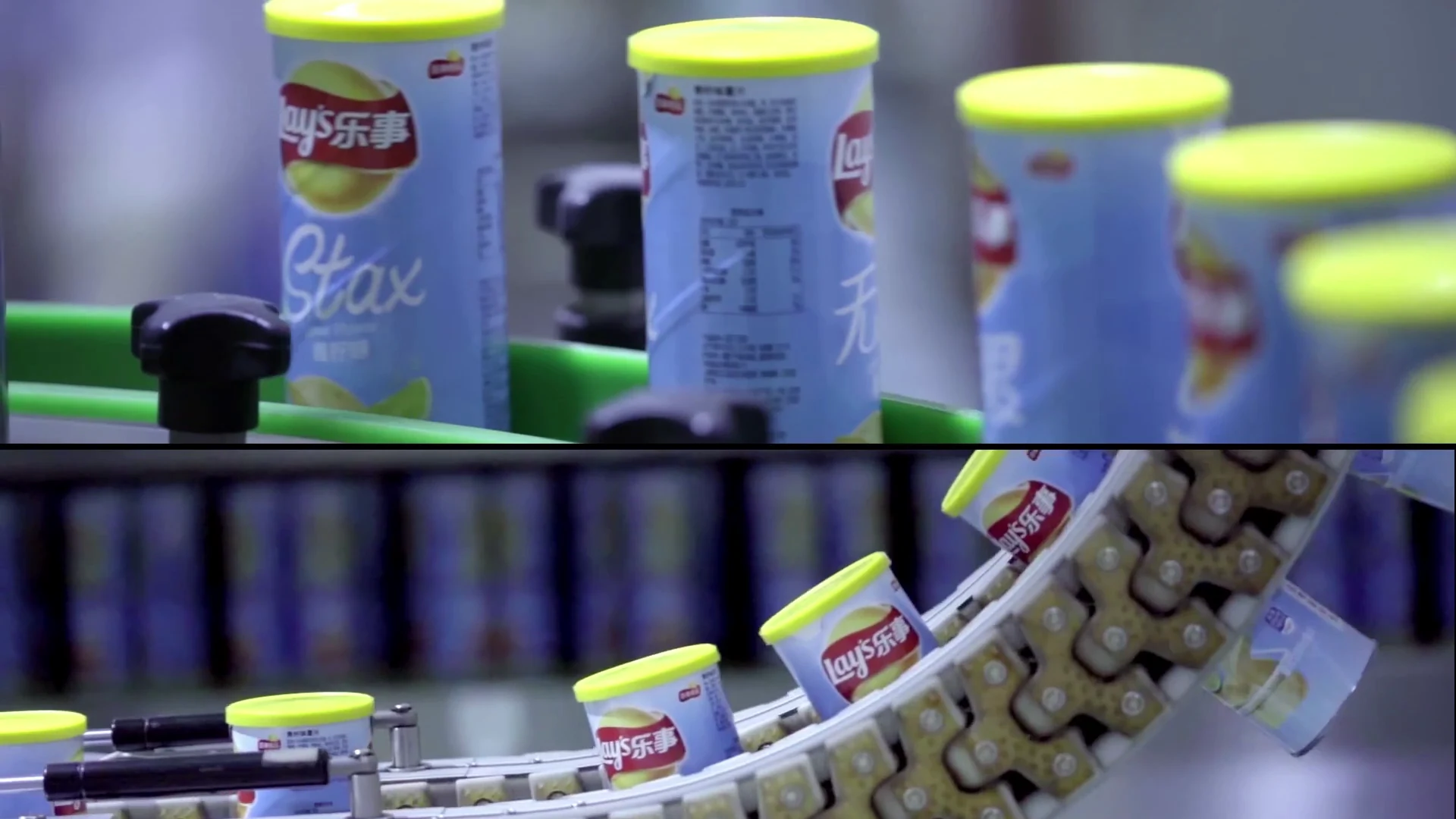
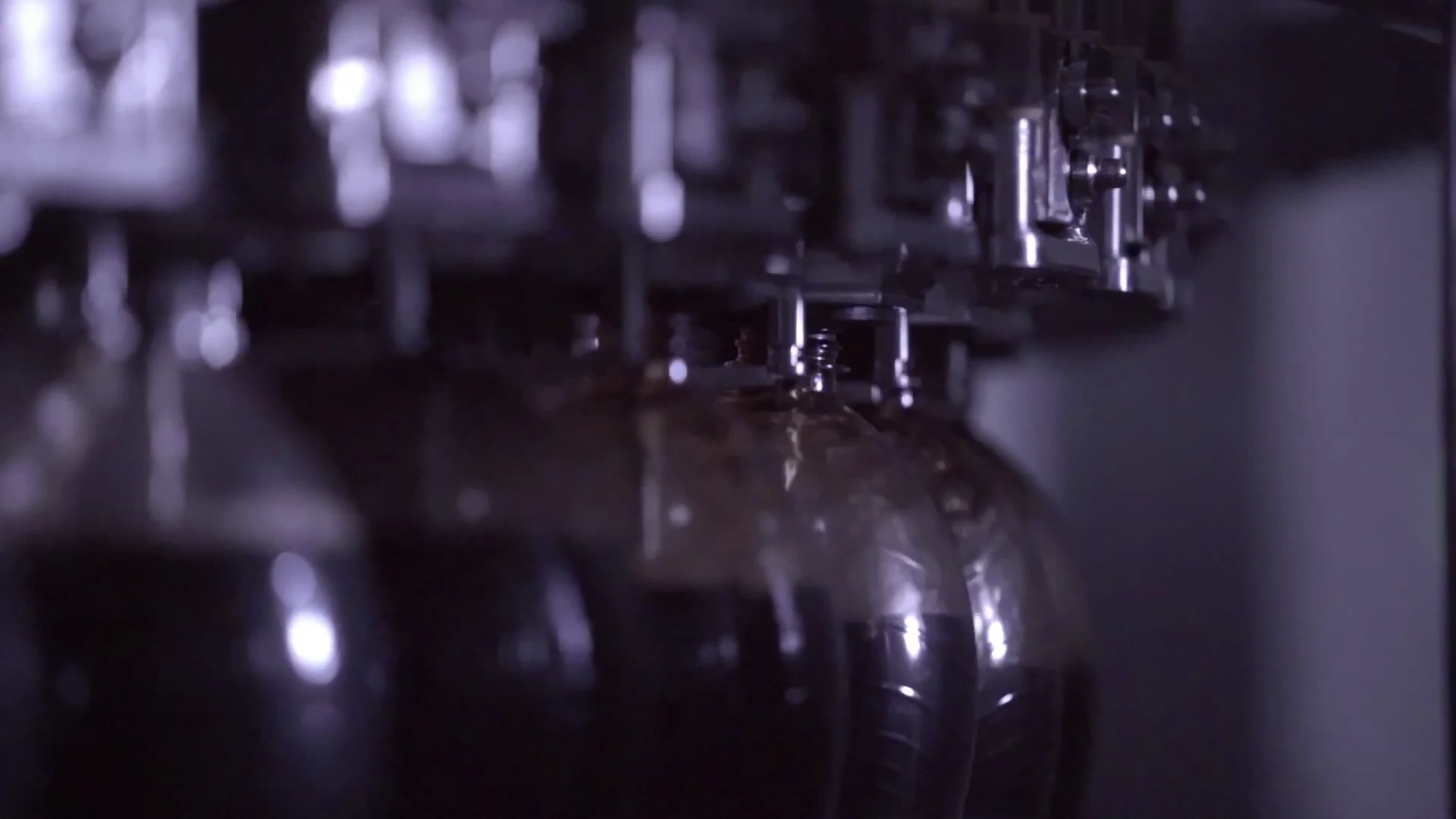
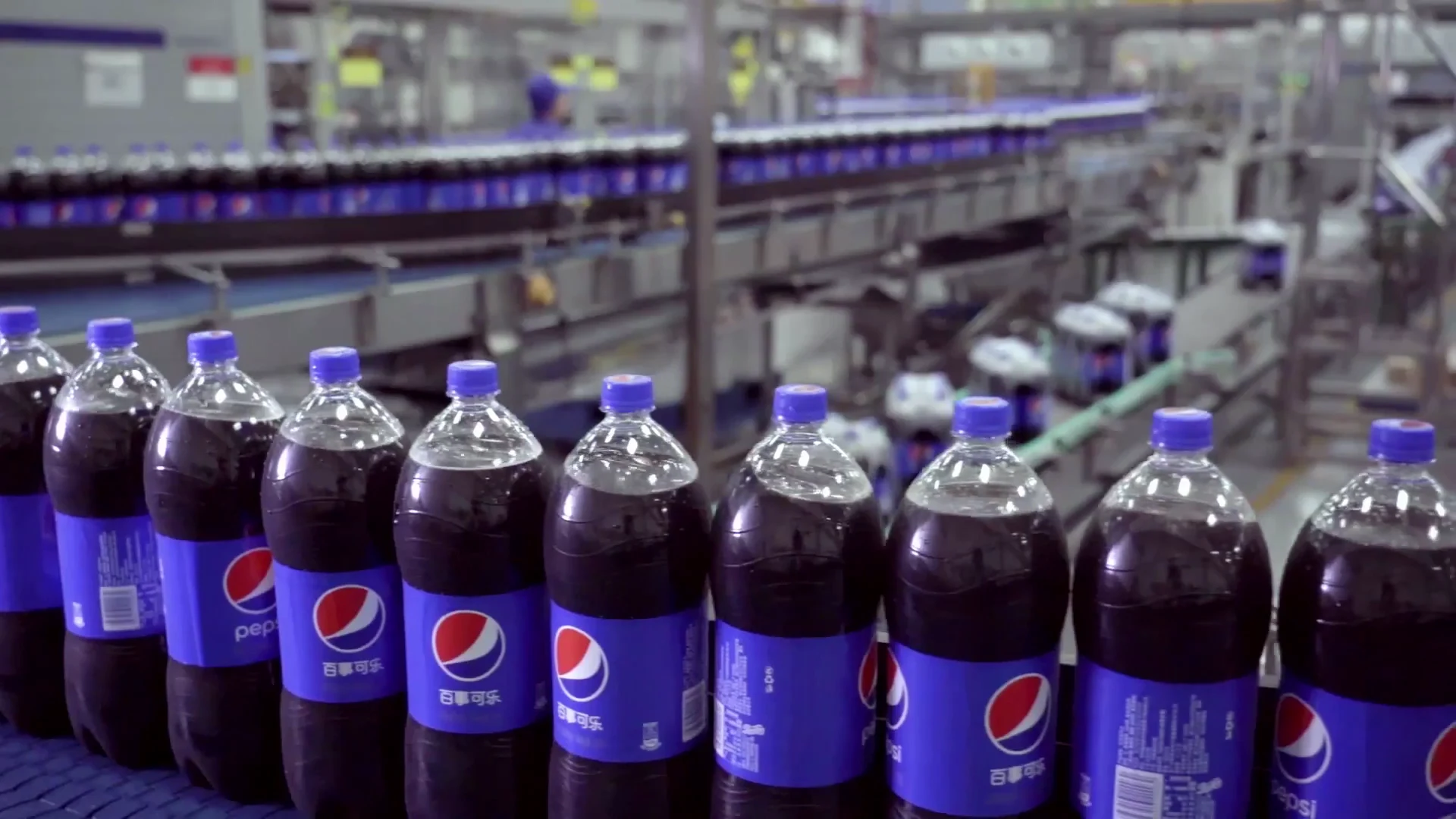
From chip processing and packing to beverage bottling, the film follows activity on working production lines. Factory coverage called for a different equipment approach from the office interviews: the technical brief specified battery-powered lighting because cables could not run through the working area.

Beijing
The people behind the business
At PepsiCo’s Beijing office, we supported the employee interviews that bring a human perspective to the film. These conversations sit alongside the agricultural and industrial scenes, connecting the different parts of PepsiCo’s China operations.


Planning your China shoot
A corporate film may move between a factory, an office and a location several hours away. For overseas brands and agencies, these are the decisions to resolve with a local production team before dates, travel and equipment are locked.
Confirm access before fixing the schedule
Share the exact sites, the activity you want to film and your local company contact. Establish which areas are available, who approves the visit and whether any processes, screens or staff must stay off camera. A recce should also check sound, available power, protective clothing and safe equipment positions. We can help coordinate location research and the permissions needed for the agreed scope.
Choose the right mix of crew
You can bring a director and cinematographer and build the supporting unit locally, as on this project, or discuss a locally assembled team. Send the treatment, sample films and the roles already covered by your travelling crew. A bilingual producer can connect the creative team with site contacts, crew and suppliers, keeping decisions clear as the production moves between locations.
Decide which equipment needs to travel
Compare local rental with bringing specialist equipment. Share the camera and lens preferences, lighting needs and sound requirements early so availability and alternatives can be checked. If equipment crosses the border, plan the temporary-import process before travel. An ATA Carnet can be an option for eligible professional equipment; confirm the current requirements with the issuing organisation or customs broker for the actual itinerary.
ATA Carnet guidance for China — ICCPlan around the working day
Ask when the activity you need will actually happen: a production line may change products, a farm depends on the agricultural schedule, and staff need time away from their normal work for interviews. Allow for travel, site inductions, setup and pack-down between locations. For exterior work, discuss a weather alternative and which shots take priority if the available filming window changes.
Prepare interviews in both languages
Agree the interview subjects, topics and speaking language before the shoot. Give participants a clear explanation of the film and confirm company and contributor permissions. For an overseas director, decide who will interpret on set and how follow-up questions will be handled. A quiet room, a consistent background and time for natural answers can be as important as the camera package.
Define the footage handoff
Before filming, confirm frame rate, resolution, audio recording, file naming and the editor’s requirements. Decide whether the handoff includes camera originals, viewing files, transcripts or translated interview selects, and who reviews terminology and names. Agree the backup and transfer method with the local team. This is especially useful when production happens in China and the edit is managed in another country.
Send us a brief we can build a plan around
Include the film’s purpose, cities or site addresses, preferred dates, key scenes, interview languages, travelling crew and delivery requirements. Add a budget range if available. We can then discuss the local crew, equipment, access questions and schedule your production needs.
Related production planning: Production coordination in China Location scouting in China Discuss your China filming brief